
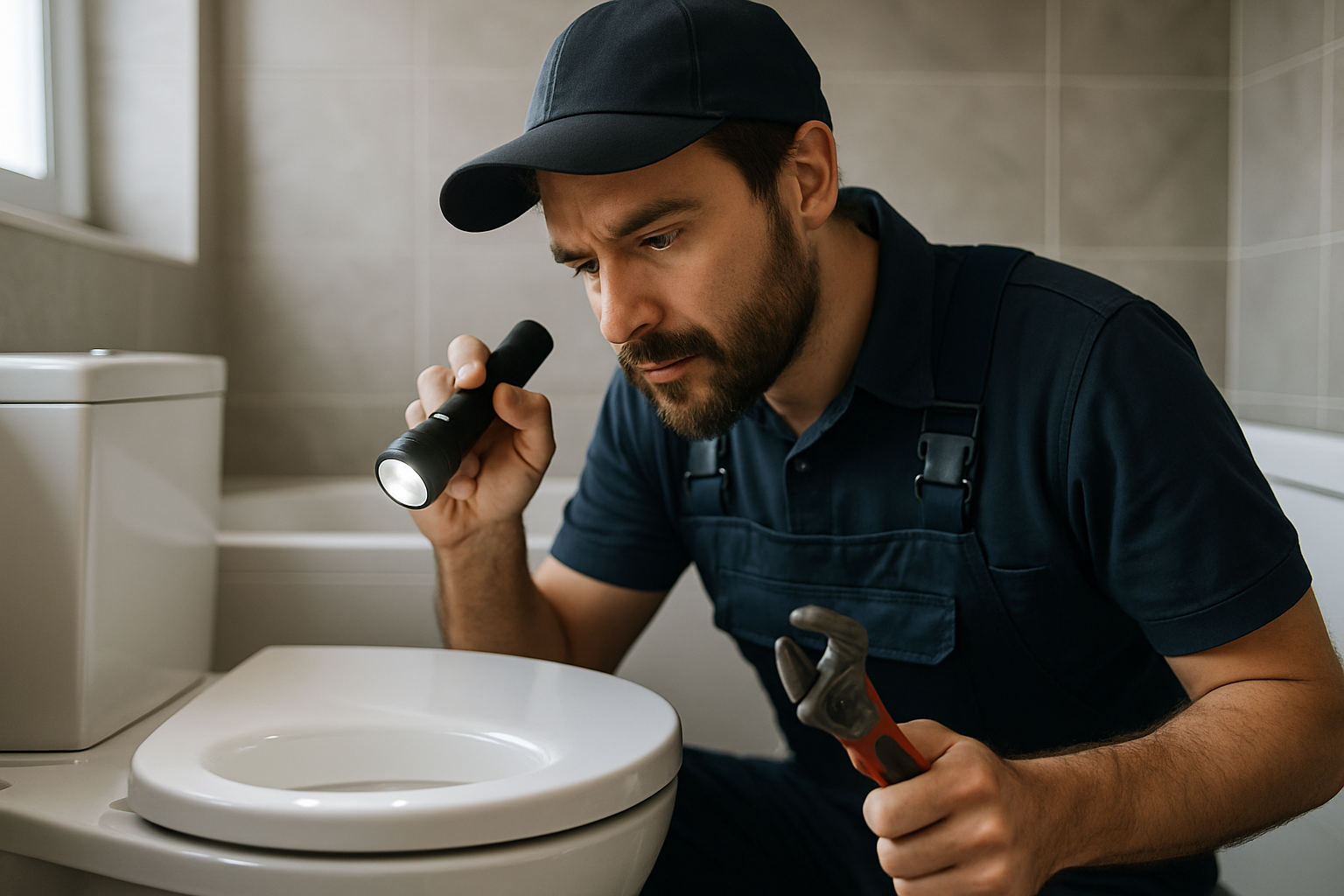
Walk-in Tub Installation Troubleshooting Guide — We Improve For You
Installing a walk-in tub can be a transformative experience for homeowners in Bristol, CT, providing enhanced safety and accessibility for those with mobility challenges. However, like any home improvement project, walk-in tub installations can sometimes come with unexpected issues that require troubleshooting. Understanding these potential problems is crucial to ensuring that your investment in a walk-in tub installation continues to provide comfort and security. At We Improve For You, we specialize in the installation of walk-in tubs, and our team is dedicated to helping you navigate any challenges that may arise during or after the installation process. This guide is designed to help you identify common symptoms related to walk-in tub installations, understand their possible causes, and decide when to call in a professional. Whether you’re experiencing leaks, water pressure issues, or electrical malfunctions, our troubleshooting guide will equip you with the knowledge needed to address these concerns effectively. With our expertise, you’ll be better prepared to enjoy the many benefits of your walk-in tub without the stress of unexpected problems. Let’s dive into the common symptoms, potential fixes, and the steps you can take to maintain your walk-in tub in optimal condition.
Identify the Problem
Match your symptoms to the most likely cause. Severity ratings help you decide how urgently to act.
Step-by-Step Action Plan
Follow these steps before calling a technician — you may be able to resolve the issue yourself.
Identify the Symptom
Take note of the specific issue you're experiencing with your walk-in tub. Write down when it occurs and any other relevant details.
Check for Obvious Issues
Inspect the tub for visible signs of damage, leaks, or improper installation that could be causing the problem.
Investigate Water Supply
Check the water supply lines and valves to ensure they are functioning correctly and are not obstructed.
Review Electrical Connections
If applicable, inspect any electrical connections for signs of damage or malfunction that could affect heated features.
Test DIY Fixes
Attempt any simple DIY fixes suggested in the symptoms section, such as tightening fittings or cleaning drains.
Contact We Improve For You
If the issue persists after following the troubleshooting steps, contact We Improve For You at (860) 718-4603 for professional assistance.
Don't DIY These Situations
Some repairs require a licensed technician for safety, code compliance, and warranty protection.
If the water leak persists despite sealing attempts, it may indicate a more serious plumbing issue that requires professional diagnosis.
When electrical problems arise, such as a malfunctioning heating element, a licensed electrician should address these to ensure safety.
If you notice persistent low water pressure that DIY fixes do not resolve, a plumber can evaluate the water supply system.
In the case of structural damage to the tub itself, like cracks or significant wear, replacement or repair from a professional is essential.
When mold or mildew issues are extensive, and DIY cleaning fails, a professional can provide thorough remediation.
What should I do if my walk-in tub is leaking?
How can I improve water pressure for my walk-in tub?
Is it normal for my walk-in tub to make noise when filling?
How often should I clean my walk-in tub?
We Can Fix It For You
Our licensed team serves Bristol, CT and surrounding areas — same-day service available.
Problem Solved — Or Need a Pro?
Our licensed team serves Bristol, CT and surrounding areas. Get a free diagnosis — no obligation.