
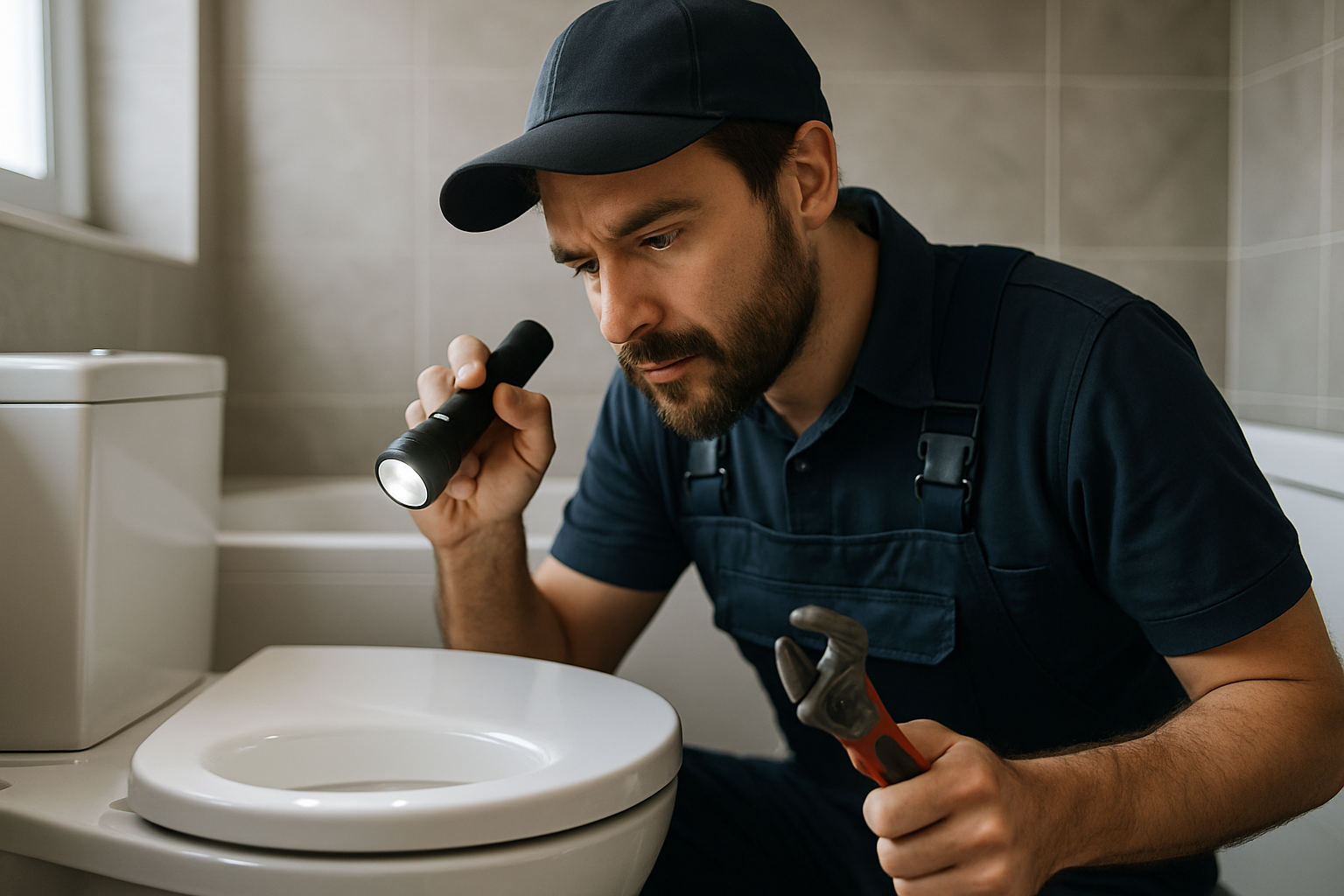
Walk In Shower Troubleshooting Guide — We Improve For You
A walk-in shower can transform your bathroom into a luxurious oasis, providing both accessibility and style. However, like any other home feature, issues may arise over time, disrupting your daily routine in Bristol, CT. Understanding the common problems associated with walk-in showers and how to troubleshoot them can save you time and money. This guide will help you identify specific symptoms related to your walk-in shower and offer practical solutions to get it back to optimal performance. At We Improve For You, we specialize in walk-in shower installations and renovations, ensuring that your bathroom remains functional and aesthetically pleasing. Whether you are experiencing water drainage issues, leaks, or tile problems, our troubleshooting guide addresses the most common issues that homeowners face. Our goal is to empower you with the knowledge to handle minor problems on your own while also knowing when it’s time to call in the professionals. With our expertise, we can help you maintain the beauty and utility of your walk-in shower for years to come.
Identify the Problem
Match your symptoms to the most likely cause. Severity ratings help you decide how urgently to act.
Step-by-Step Action Plan
Follow these steps before calling a technician — you may be able to resolve the issue yourself.
Identify the Symptoms
Take note of the specific issues you are experiencing with your walk-in shower. Document symptoms such as leaks, poor drainage, or mold growth.
Check for Visible Issues
Inspect the shower area for any visible signs of damage or blockage. Look closely at the drain, tiles, and fixtures.
Clear the Drain
If you notice water pooling, check the drain for clogs. Remove any visible debris and use a drain cleaner if necessary.
Assess Water Pressure
Turn on the shower and check the water pressure. If it's weak, clean the showerhead and examine the water supply.
Inspect Grout and Caulking
Look for any cracks in the grout or caulking around the shower. Reapply caulking if needed to prevent water leaks.
Consider Ventilation
Ensure your bathroom is well-ventilated to prevent mold and mildew. Consider installing an exhaust fan if moisture is an ongoing issue.
Don't DIY These Situations
Some repairs require a licensed technician for safety, code compliance, and warranty protection.
If water damage is suspected behind tiles or walls, professional assessment is necessary to prevent further issues.
For extensive mold growth that cannot be managed with DIY cleaning, a professional should handle remediation.
If plumbing issues involve complex systems or require significant repairs, such as replacing pipes, calling a contractor is essential.
In cases where the shower installation requires modifications to comply with local building codes, hiring a licensed contractor is necessary.
How can I prevent water pooling in my walk-in shower?
What should I do if I have a mold problem in my walk-in shower?
Is it normal for my shower faucet to leak?
How often should I clean my walk-in shower?
We Can Fix It For You
Our licensed team serves Bristol, CT and surrounding areas — same-day service available.
Problem Solved — Or Need a Pro?
Our licensed team serves Bristol, CT and surrounding areas. Get a free diagnosis — no obligation.