
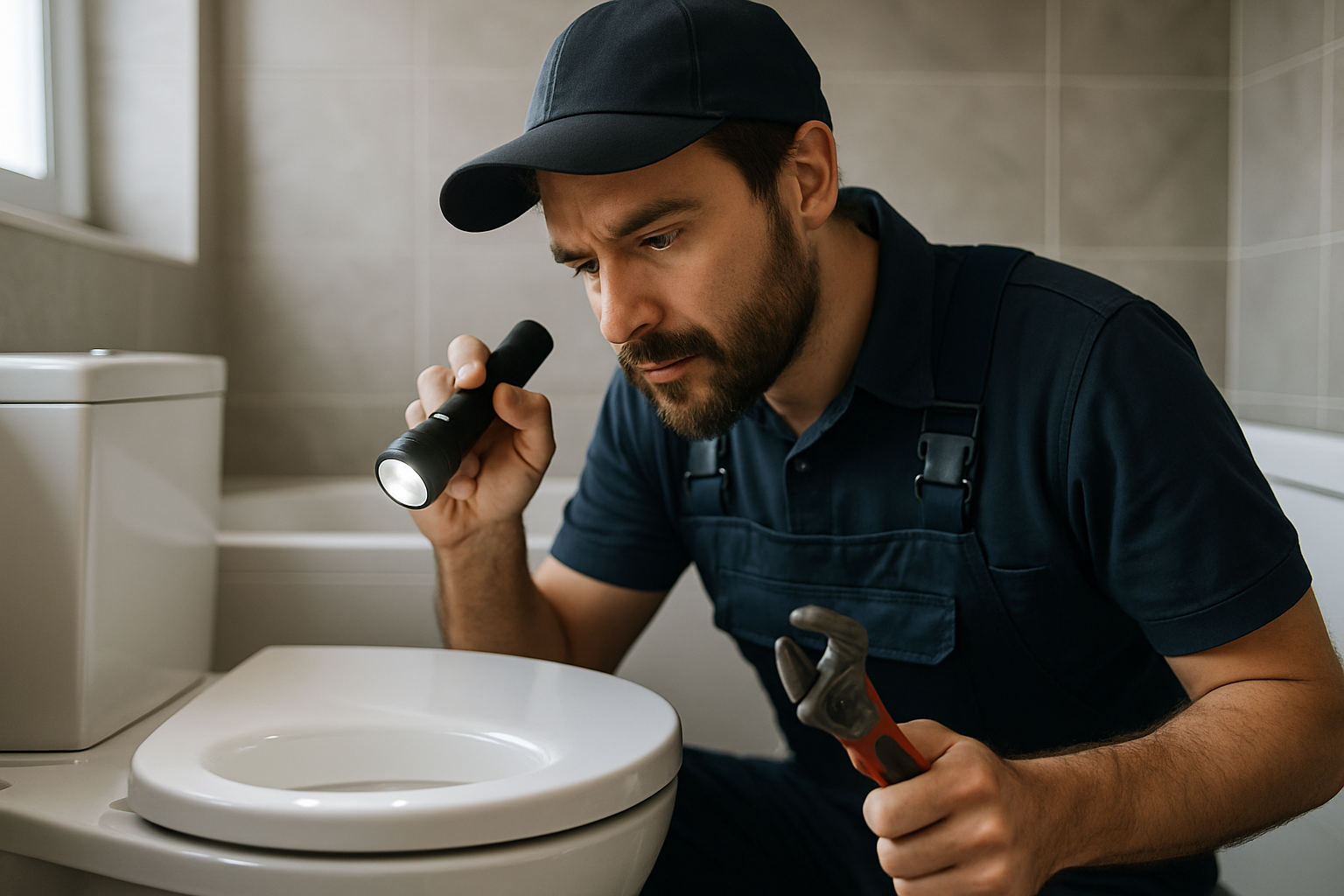
Tub Replacement — We Improve For You
Troubleshooting Guide

Tub Replacement Troubleshooting Guide — We Improve For You

Replacing a bathtub can be a daunting task for homeowners in Bristol, CT, especially when issues arise during the process. At We Improve For You, we understand the importance of having a functional and aesthetically pleasing tub, and we are here to help guide you through common challenges associated with tub replacement. Whether you're facing leaks, cracks, or fitting issues, identifying the problem early can save you time, money, and stress. Our troubleshooting guide is designed to help you navigate these issues effectively and ensure that your new tub installation goes smoothly. From understanding the signs of a faulty installation to knowing when to call in the professionals, this guide will provide you with valuable insights into tub replacement troubleshooting. With the right approach and a bit of knowledge, you can tackle most common problems and enjoy your new bathtub in no time. Let’s dive into the common symptoms, their causes, and effective DIY fixes to keep your tub replacement project on track.

By We Improve For You
8 min read
Expert-reviewed
Having an Emergency?
Don't wait — call us now for 24/7 emergency service in Bristol, CT.
(860) 718-4603
Symptoms & Causes

Identify the Problem

Match your symptoms to the most likely cause. Severity ratings help you decide how urgently to act.

Water leakage around the tub edgeshigh
Likely cause: Improper sealing during installation, Worn-out caulking, Cracked tub material
DIY check: Check and reseal the edges with waterproof silicone caulk.
Cracks or chips in the tub surfacemedium
Likely cause: Impact damage, Poor quality material, Excessive weight on the tub
DIY check: Use a tub repair kit to fill in small cracks or chips.
Uneven tub installation causing water poolinghigh
Likely cause: Incorrect leveling during installation, Foundation settling, Improper support structure
DIY check: Use shims to level the tub and ensure it is properly supported.
Tub not draining properlymedium
Likely cause: Clogged drain, Improper plumbing connections, Airlock in the plumbing system
DIY check: Try using a plunger or a plumber’s snake to clear the drain.
Noise or creaking when using the tublow
Likely cause: Loose fittings, Insufficient support, Material expansion and contraction
DIY check: Inspect and tighten any loose fittings and ensure the tub is properly supported.
Poor insulation leading to temperature fluctuationsmedium
Likely cause: Lack of insulation around the tub, Incorrect installation of the tub surround, Drafts from nearby windows
DIY check: Add insulation around the tub and check for drafts in the bathroom.
What to Do Next

Step-by-Step Action Plan

Follow these steps before calling a technician — you may be able to resolve the issue yourself.

1

Identify the Symptoms

Begin by carefully observing the tub for any visible signs of damage or malfunction. Note any leaks, cracks, or unusual noises.

2

Check for Proper Installation

Ensure that the tub is level and properly secured. Use a level tool to check for evenness and inspect the support structure.

3

Inspect Seals and Caulking

Examine the seals around the tub edges for any gaps or deterioration. Reseal as necessary to prevent water leaks.

4

Test Drainage

Fill the tub with water and check if it drains correctly. If not, investigate for clogs or improper plumbing.

5

Address Insulation Issues

Check for insulation around the tub and ensure there are no drafts that could affect temperature retention.

6

Consult a Professional

If issues persist or are beyond your expertise, contact We Improve For You for expert assistance in Bristol, CT.

Pro Tip
Always turn off power to the unit at the breaker before inspecting any components. Safety first — even for simple checks.
When to Call a Professional

Don't DIY These Situations

Some repairs require a licensed technician for safety, code compliance, and warranty protection.

Professional Assessment Required

If the tub is severely cracked and requires replacement rather than repair.

Professional Assessment Required

When plumbing issues are discovered that need a licensed plumber's expertise.

Professional Assessment Required

For complex installations where structural changes are necessary.

Professional Assessment Required

If there is significant water damage to surrounding areas that require remediation.

Professional Assessment Required

When specialized tools or equipment are needed for installation or repairs.

Common Questions
What should I do if my new tub is leaking?
If your newly replaced tub is leaking, first check the seals around the edges. Ensure the caulking is intact and properly applied. If the leak persists, inspect the plumbing connections for tightness and look for any cracks in the tub itself. If you cannot identify the source of the leak or if the issue seems severe, it's best to contact a professional to assess the situation and provide a solution.
How can I tell if my tub was installed correctly?
To determine if your tub was installed correctly, check for evenness with a level tool. There should be no gaps between the tub and the wall or floor, and it should be securely anchored. Additionally, ensure that water drains properly without pooling and that there are no visible cracks or leaks. If you notice any issues, consider consulting with a professional for a thorough inspection.
Is it common for a tub to make noise when in use?
Some noise, such as creaking or popping, can be normal due to the expansion and contraction of materials when heated. However, excessive noise could indicate loose fittings or inadequate support. If the noise is bothersome or appears to worsen, it's advisable to check the installation and support structure or consult a professional for further evaluation.
What can I do to maintain my new tub after replacement?
To maintain your new tub, regularly clean it with non-abrasive cleaners to prevent build-up of soap scum and mildew. Inspect the seals and caulking periodically for any signs of wear and reapply as needed. Avoid using heavy items in the tub that could cause damage, and be mindful of the temperature of the water to prevent thermal shock to the materials. Lastly, ensure proper ventilation in the bathroom to minimize humidity and prevent mold growth.
Related Services

We Can Fix It For You

Our licensed team serves Bristol, CT and surrounding areas — same-day service available.

Problem Solved — Or Need a Pro?

Our licensed team serves Bristol, CT and surrounding areas. Get a free diagnosis — no obligation.