
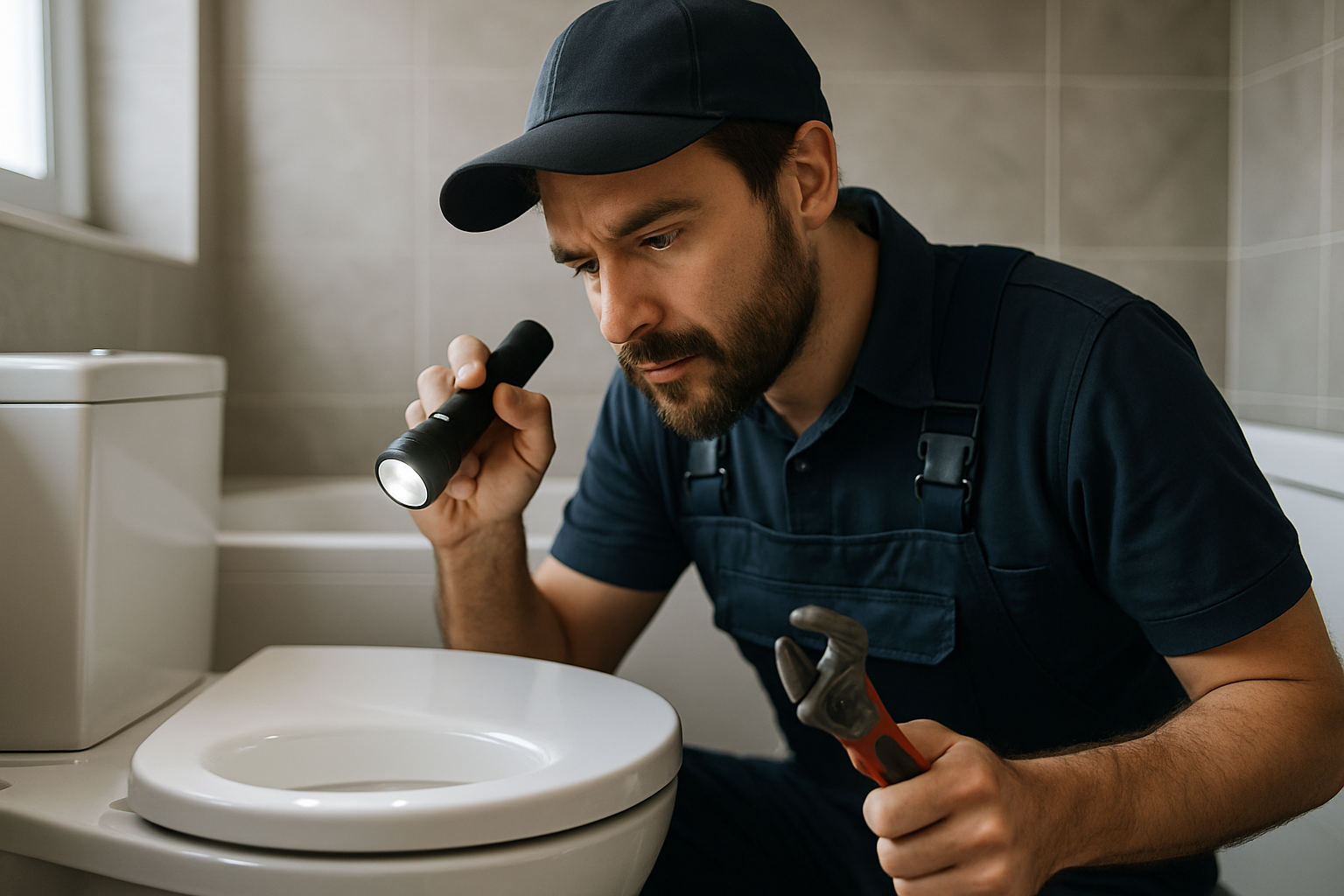
Handicap Accessible Bathroom Remodel — We Improve For You
Troubleshooting Guide

Handicap Accessible Bathroom Remodel Troubleshooting Guide — We Improve For You

At We Improve For You in Bristol, CT, we understand that a bathroom remodel for accessibility is not just about aesthetics; it’s about ensuring safety and functionality for everyone, especially those with mobility challenges. Our Handicap Accessible Bathroom Remodel service is designed to create a space that caters to the needs of all users, whether for a loved one or yourself. However, even the best remodels can face issues over time, and knowing how to troubleshoot these problems can save you time, money, and stress. In this comprehensive troubleshooting guide, we will address common symptoms you might encounter with your handicap accessible bathroom remodel, along with possible causes and DIY fixes. From improper fixture heights to non-compliant grab bars, we will help you identify these issues and offer solutions. If DIY fixes don’t resolve your problems, we’ll also explain when it’s crucial to call a professional. Our goal is to help you maintain a safe and functional bathroom that meets your accessibility needs.

By We Improve For You
8 min read
Expert-reviewed
Having an Emergency?
Don't wait — call us now for 24/7 emergency service in Bristol, CT.
(860) 718-4603
Symptoms & Causes

Identify the Problem

Match your symptoms to the most likely cause. Severity ratings help you decide how urgently to act.

Grab bars are loose or not securely anchored.high
Likely cause: Improper installation, Incorrect wall material, Wear and tear over time
DIY check: Check the mounting screws for tightness; replace any that are loose.
Shower floor is slippery and poses a risk of falling.high
Likely cause: Improper surface material, Lack of non-slip treatments, Water accumulation
DIY check: Consider applying a non-slip coating or using textured mats.
Toilet height is not suitable for accessibility needs.medium
Likely cause: Incorrect toilet model, Installation errors, User needs changed
DIY check: Measure the height and consider adding toilet risers if appropriate.
Insufficient lighting in the bathroom.medium
Likely cause: Poor fixture placement, Inadequate wattage, Dimming bulbs
DIY check: Replace bulbs with higher wattage or reposition fixtures for better coverage.
Vanity is too low or too high for wheelchair access.medium
Likely cause: Incorrect measurement during installation, Standard height vanity used, Changes in user needs
DIY check: Adjust or replace the vanity with a height appropriate for wheelchair users.
Water leaks around fixtures.high
Likely cause: Worn-out seals, Improper installation, Clogged drain systems
DIY check: Inspect and replace seals or tighten connections to prevent leaks.
Poor accessibility to storage areas.medium
Likely cause: Cabinet placement, Height of shelves, Design flaws
DIY check: Rearrange or replace shelves to make them more accessible.
What to Do Next

Step-by-Step Action Plan

Follow these steps before calling a technician — you may be able to resolve the issue yourself.

1

Identify Loose Fixtures

Check all grab bars and fixtures to ensure they are securely fastened. If any are loose, tighten the screws or consult a professional for reinforcement.

2

Evaluate Surface Safety

Assess the shower floor and decide if a non-slip treatment is necessary. If it’s slippery, consider adding mats or a non-slip coating.

3

Measure Toilet Height

Using a measuring tape, check the height of your toilet. If it’s not suitable for accessibility, consider adding a riser or replacing the toilet.

4

Inspect Lighting

Examine the lighting fixtures for adequate brightness. If necessary, upgrade to higher wattage bulbs or reposition fixtures for better illumination.

5

Check for Water Leaks

Inspect all plumbing connections for leaks. Replace worn seals and ensure all fittings are tightly connected.

6

Assess Storage Accessibility

Evaluate the placement of storage areas and shelves. Rearrange items for easier access or modify cabinets if needed.

Pro Tip
Always turn off power to the unit at the breaker before inspecting any components. Safety first — even for simple checks.
When to Call a Professional

Don't DIY These Situations

Some repairs require a licensed technician for safety, code compliance, and warranty protection.

Professional Assessment Required

If you find that the grab bars are pulling away from the wall despite tightening, it’s essential to call a professional to assess the wall structure.

Professional Assessment Required

In cases of significant water damage or leaks that are not easily fixed, a contractor should be contacted to prevent further issues.

Professional Assessment Required

If the toilet height needs to be adjusted and you are unsure how to safely remove and reinstall it, a professional should handle the installation.

Professional Assessment Required

When the lighting issues are complex, such as needing new wiring or electrical work, a licensed electrician should be called.

Professional Assessment Required

If the remodel requires significant structural changes to comply with accessibility codes, professional guidance is necessary.

Common Questions
What height should grab bars be installed at in a handicap accessible bathroom?
Grab bars should be installed at a height of 33 to 36 inches above the finished floor. This height ensures they are within easy reach for individuals using wheelchairs or those who may need assistance standing up. It's important to consult local building codes, as they may have specific requirements. Additionally, grab bars should be installed securely into wall studs to ensure they can support the weight of users.
How can I make my bathroom floor safer for handicap accessibility?
To enhance safety, consider installing slip-resistant flooring materials or applying a non-slip coating to existing tiles. Textured mats can also help in wet areas like the shower. Regularly check for any water accumulation that could create slip hazards and ensure that any rugs or mats are securely anchored to avoid tripping. Additionally, maintaining a clean and dry floor is essential for preventing accidents.
What are the best materials for a handicap accessible bathroom?
The best materials for a handicap accessible bathroom include non-slip tiles, waterproof surfaces, and durable cabinets that can withstand wear and tear. It’s also advisable to select fixtures that are easy to operate, such as lever-style faucets and touchless toilets. Additionally, using moisture-resistant materials will help maintain a clean and safe environment. Consulting with an accessibility expert can provide tailored recommendations based on specific needs.
Are there specific building codes for handicap accessible bathrooms in Bristol, CT?
Yes, Bristol, CT has specific building codes and regulations that govern the construction of handicap accessible bathrooms. These codes cover aspects such as the required dimensions for turning radius, fixture heights, and more. It is crucial to adhere to these regulations to ensure safety and compliance. Working with a licensed contractor who understands these local codes can help ensure your remodel meets all necessary requirements.
Related Services

We Can Fix It For You

Our licensed team serves Bristol, CT and surrounding areas — same-day service available.

Problem Solved — Or Need a Pro?

Our licensed team serves Bristol, CT and surrounding areas. Get a free diagnosis — no obligation.