
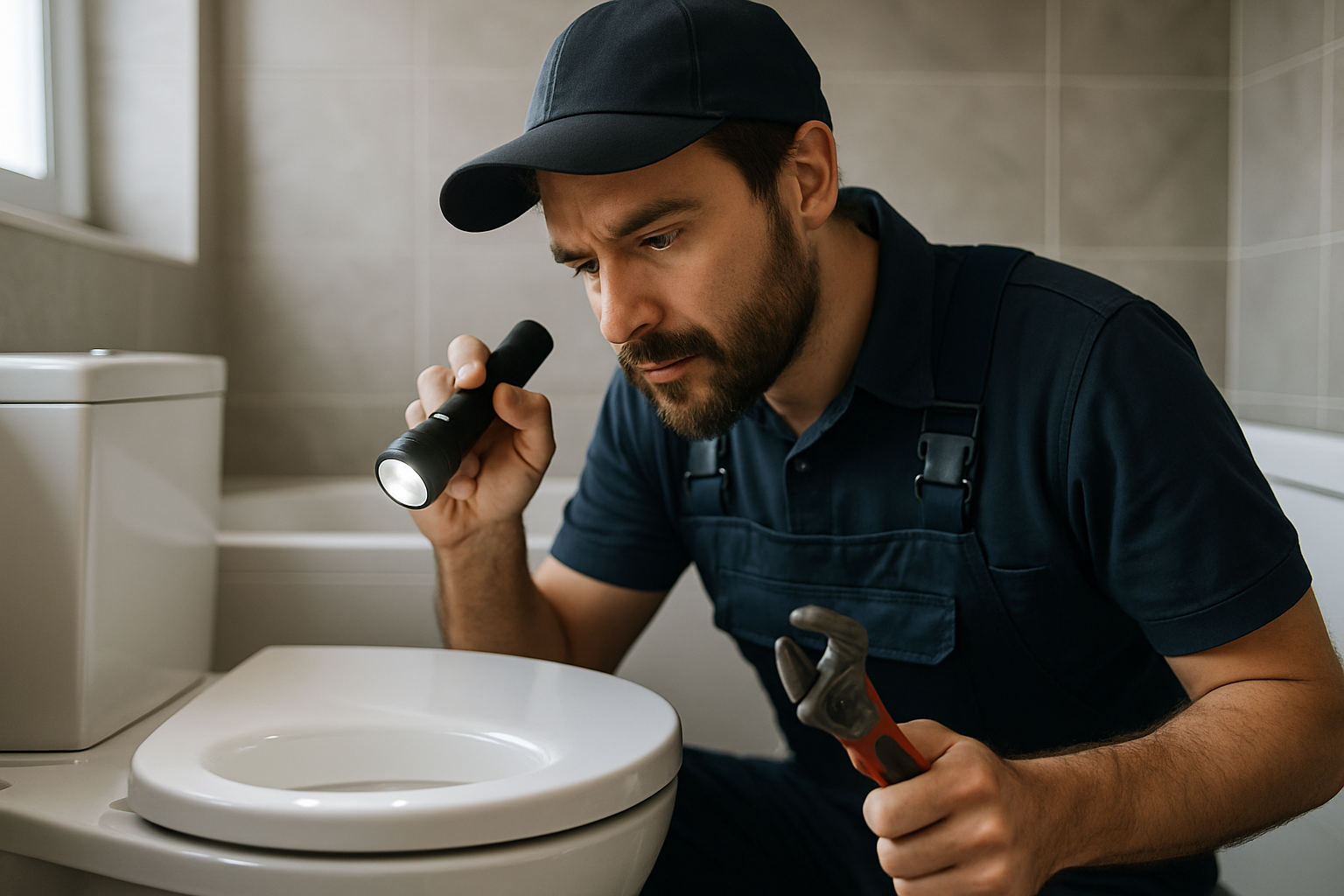
Bathroom Water Heater Installation Troubleshooting Guide — We Improve For You
Installing a new bathroom water heater can be a daunting task, especially when you encounter issues during or after installation. At We Improve For You, we understand how critical hot water is to your daily routine in Bristol, CT. Whether you're facing inconsistent water temperatures or unusual noises, our troubleshooting guide will help you identify and resolve common problems associated with bathroom water heater installations. This guide is designed specifically for homeowners looking to understand the intricacies of their new water heaters and to ensure they operate efficiently for years to come. In Bristol, CT, the installation of bathroom water heaters is a common service we provide, and like any mechanical system, these units can sometimes present challenges. Knowing how to troubleshoot these issues not only saves you time and frustration but can also prevent costly repairs down the line. Our goal is to empower homeowners with the knowledge they need to tackle minor issues themselves, while also knowing when it’s time to call in the professionals. Let’s dive into the common symptoms you might encounter with your bathroom water heater installation, and how to address them effectively.
Identify the Problem
Match your symptoms to the most likely cause. Severity ratings help you decide how urgently to act.
Step-by-Step Action Plan
Follow these steps before calling a technician — you may be able to resolve the issue yourself.
Identify the Issue
Start by determining the specific problem with your bathroom water heater. Note any unusual sounds, leaks, or fluctuations in water temperature.
Check Power Supply
Ensure that the water heater is receiving power. Check circuit breakers and fuses to confirm that everything is functioning correctly.
Inspect the Thermostat
Verify that the thermostat settings are appropriately adjusted for your needs. A malfunctioning thermostat can lead to inconsistent heating.
Flush the Water Heater
If you notice strange noises or water discoloration, flushing the tank can help remove sediment buildup, improving performance.
Examine Connections and Seals
Check all plumbing connections and seals around the unit for leaks or signs of wear. Tighten or replace as necessary.
Consult the Manual
Refer to the manufacturer’s manual for troubleshooting specific to your model, which can provide additional insights and solutions.
Don't DIY These Situations
Some repairs require a licensed technician for safety, code compliance, and warranty protection.
If the water heater is leaking significantly and you cannot find the source of the leak.
If there are electrical issues causing the circuit breaker to trip repeatedly.
When the water heater is making loud banging or popping noises after flushing.
If you encounter rust-colored water and suspect tank corrosion.
When the installation seems to have been done incorrectly and affects water flow or heating.
How often should I flush my bathroom water heater?
What should I do if my water heater is leaking?
Why is my water heater making strange noises?
Can I install my bathroom water heater myself?
We Can Fix It For You
Our licensed team serves Bristol, CT and surrounding areas — same-day service available.
Problem Solved — Or Need a Pro?
Our licensed team serves Bristol, CT and surrounding areas. Get a free diagnosis — no obligation.