
Bathroom Upgrade Troubleshooting Guide — We Improve For You
Upgrading your bathroom can be an exciting yet challenging endeavor. Homeowners in Bristol, CT, often face various issues during bathroom upgrades that can lead to frustration and delays. At We Improve For You, we understand that a smooth bathroom upgrade is essential not only for aesthetics but also for functionality and comfort in your home. This troubleshooting guide aims to help you identify common problems associated with bathroom upgrades, offering insights into potential causes and DIY fixes to address these issues effectively. Whether you are dealing with plumbing issues, tile installation problems, or design misalignments, understanding these challenges can empower you to take the right steps toward a successful bathroom upgrade. If you're experiencing any symptoms of trouble, this guide will provide you with actionable steps to help you diagnose and tackle the problems head-on. Remember, while some issues can be resolved on your own, others may require the expertise of a professional bathroom remodeler in Bristol, CT, to ensure a top-quality result that meets local building codes and standards.
Identify the Problem
Match your symptoms to the most likely cause. Severity ratings help you decide how urgently to act.
Step-by-Step Action Plan
Follow these steps before calling a technician — you may be able to resolve the issue yourself.
Identify the Symptoms
Start by observing and documenting specific problems you’ve encountered during your bathroom upgrade. Take note of any leaks, strange odors, or installation issues.
Check Installation Manuals
Refer to installation manuals for fixtures and materials used during your upgrade. Ensure that all components were installed according to the manufacturer's guidelines.
Inspect Plumbing Connections
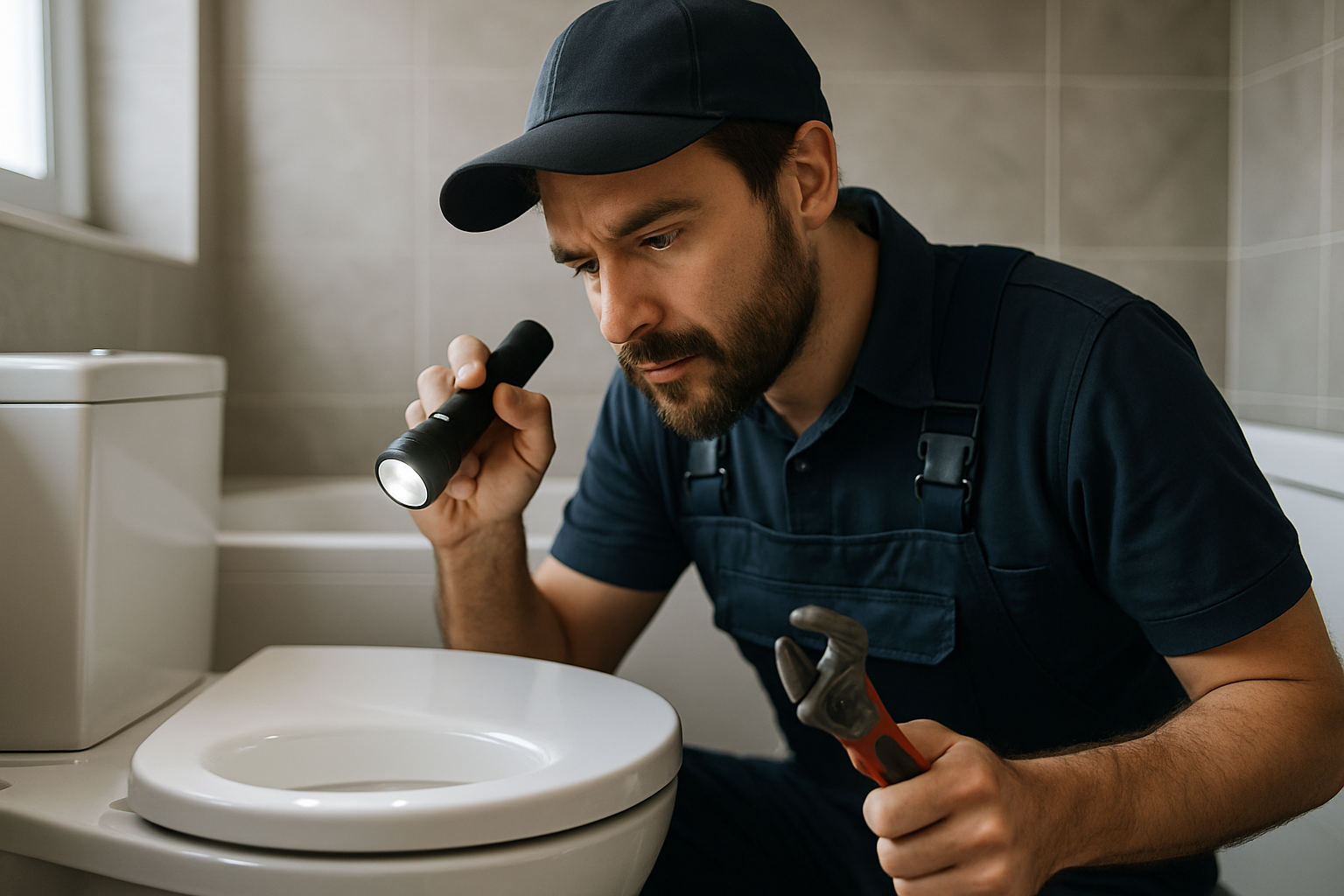
Examine all plumbing connections for leaks or signs of wear. Use a flashlight to inspect hard-to-see areas and check for moisture around pipes.
Evaluate Surface Preparations
Assess the surfaces where tiles, cabinets, or fixtures were installed. Look for issues such as unevenness or poor adhesion that could be causing problems.
Test for Ventilation and Moisture
Ensure that your bathroom has adequate ventilation to prevent mold and odors. Use a moisture meter to check humidity levels if necessary.
Consult Local Codes
Review Bristol, CT's local building codes to ensure your bathroom upgrade complies with all regulations. This is crucial for safety and resale value.
Don't DIY These Situations
Some repairs require a licensed technician for safety, code compliance, and warranty protection.
If plumbing issues persist despite DIY fixes, a licensed plumber should be called to prevent water damage.
For complex tile installation challenges, hiring a professional ensures a flawless finish and adherence to local codes.
If mold is suspected behind walls or tiles, professional remediation is necessary to safely address the problem.
For significant structural changes, such as moving plumbing or electrical systems, a licensed contractor is required to comply with regulations.
If you encounter any problems that involve warranty claims on materials, a professional can assist in navigating these issues effectively.
What should I do if my new bathroom fixtures are leaking?
How can I prevent mold in my upgraded bathroom?
What are the signs of poor tile installation?
How do I ensure my bathroom remodel complies with local codes?
We Can Fix It For You
Our licensed team serves Bristol, CT and surrounding areas — same-day service available.
Problem Solved — Or Need a Pro?
Our licensed team serves Bristol, CT and surrounding areas. Get a free diagnosis — no obligation.