
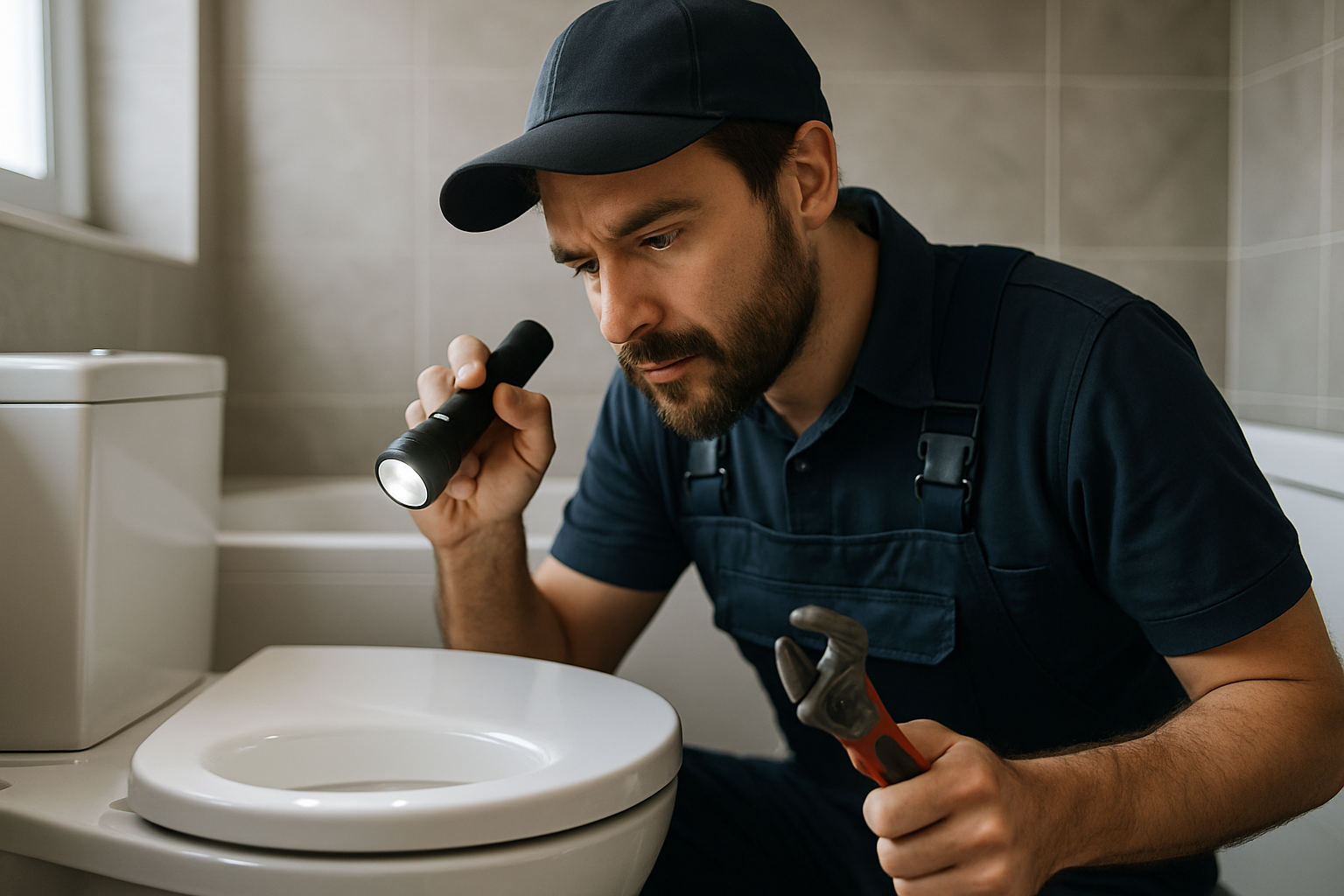
Bathroom Sink Installation — We Improve For You
Troubleshooting Guide

Bathroom Sink Installation Troubleshooting Guide — We Improve For You

Installing a bathroom sink can be a rewarding project that enhances both the functionality and aesthetics of your space. However, even the most skilled DIYers can encounter issues during installation. At We Improve For You, we specialize in bathroom sink installation in Bristol, CT, and we understand the common challenges homeowners face. This troubleshooting guide is designed to help you identify and resolve problems that may arise during your sink installation process. Whether you're dealing with leaks, drainage issues, or misaligned fittings, our guide provides step-by-step solutions to get your sink functioning optimally. We believe that understanding the intricacies of your installation can save you time, money, and stress. With the right knowledge, you can tackle many common problems on your own, or know when it's time to call in the professionals. Let’s dive into the common symptoms of sink installation issues and how you can troubleshoot them effectively.

By We Improve For You
8 min read
Expert-reviewed
Having an Emergency?
Don't wait — call us now for 24/7 emergency service in Bristol, CT.
(860) 718-4603
Symptoms & Causes

Identify the Problem

Match your symptoms to the most likely cause. Severity ratings help you decide how urgently to act.

Water leaking from the faucethigh
Likely cause: Loose fittings, Damaged washer, Incorrect installation
DIY check: Tighten all connections and replace any damaged washers.
Slow drainage from the sinkmedium
Likely cause: Clogged drainpipe, Incorrect slope of the drain, Air vent obstruction
DIY check: Use a plunger to attempt to clear the clog, or remove the trap to clean it out.
Sink overflowinghigh
Likely cause: Clogged drain, Improper installation, Faulty overflow drain
DIY check: Turn off the water supply immediately and clear the clog.
Strange noises when water is runningmedium
Likely cause: Air in the pipes, Loose fittings, Water hammer
DIY check: Check for loose fittings and consider installing a water hammer arrestor.
Faucet wobblingmedium
Likely cause: Loose mounting hardware, Incompatible sink and faucet, Damaged counter surface
DIY check: Tighten the mounting hardware and ensure all components are compatible.
Poor water pressurelow
Likely cause: Clogged aerator, Main water supply issues, Faulty faucet
DIY check: Clean the aerator by soaking it in vinegar and removing any mineral buildup.
Discoloration around the sinkmedium
Likely cause: Water damage, Mold growth, Poor sealing
DIY check: Inspect for leaks and reseal the sink if necessary.
What to Do Next

Step-by-Step Action Plan

Follow these steps before calling a technician — you may be able to resolve the issue yourself.

1

Identify the Problem

Start by observing the symptoms your sink is exhibiting. Note down any leaks, noises, or drainage issues as this will help in troubleshooting effectively.

2

Check for Leaks

Inspect all connections under the sink, including the faucet and drain assembly. Tighten any loose fittings and replace damaged washers.

3

Examine the Drainage

If the sink is draining slowly, check for clogs by using a plunger or removing the trap to clean it. Ensure the drain is sloped correctly.

4

Test the Faucet

Run the faucet and listen for any unusual sounds. Check for loose fittings and make sure the faucet is properly secured.

5

Evaluate Water Pressure

If you're experiencing poor water pressure, clean the aerator and check the main water supply for any issues.

6

Call for Professional Help

If you cannot resolve the issue after these steps, or if you identify a significant problem like a major leak, contact We Improve For You for expert assistance.

Pro Tip
Always turn off power to the unit at the breaker before inspecting any components. Safety first — even for simple checks.
When to Call a Professional

Don't DIY These Situations

Some repairs require a licensed technician for safety, code compliance, and warranty protection.

Professional Assessment Required

You notice significant water damage around the sink area, indicating a serious leak.

Professional Assessment Required

The sink installation is misaligned, causing persistent drainage issues that you cannot fix.

Professional Assessment Required

You are uncomfortable working with plumbing and prefer a professional to ensure code compliance.

Professional Assessment Required

You have encountered multiple problems that require specialized tools or expertise to resolve.

Professional Assessment Required

The sink is part of a larger renovation, and you need to ensure all elements are harmonized by a professional.

Common Questions
What should I do if my sink is leaking after installation?
If your sink is leaking after installation, first check all the connections to ensure they are tight. Look for damaged washers or seals that may need replacing. If tightening the fittings doesn't resolve the leak, it may be necessary to disassemble the connections to inspect for any cracks or defects in the plumbing. If you're unable to find the source of the leak, consider reaching out to We Improve For You for professional assistance.
How can I tell if my sink is installed correctly?
To determine if your sink is installed correctly, check for evenness and stability. The sink should sit level and not rock. Additionally, run water to test for leaks around the fittings. Observe the drainage; if water flows smoothly without pooling, your installation is likely correct. If you have concerns, consulting with a bathroom remodeler can provide peace of mind.
Can I install a bathroom sink myself, or should I hire a professional?
While many homeowners successfully install bathroom sinks on their own, it requires a good understanding of plumbing. If you are comfortable with basic tools and have previous experience, you might consider a DIY approach. However, if you're unsure or if the installation involves complex plumbing changes, hiring a professional like We Improve For You is advisable to ensure the job is done correctly and safely.
What tools do I need for bathroom sink installation?
Essential tools for bathroom sink installation include a wrench, a screwdriver, plumber's tape, a level, and a bucket for any water spills. Having a plunger on hand is also helpful for addressing potential clogs. Preparing your tools in advance will make the installation process smoother and more efficient.
Related Services

We Can Fix It For You

Our licensed team serves Bristol, CT and surrounding areas — same-day service available.

Problem Solved — Or Need a Pro?

Our licensed team serves Bristol, CT and surrounding areas. Get a free diagnosis — no obligation.