
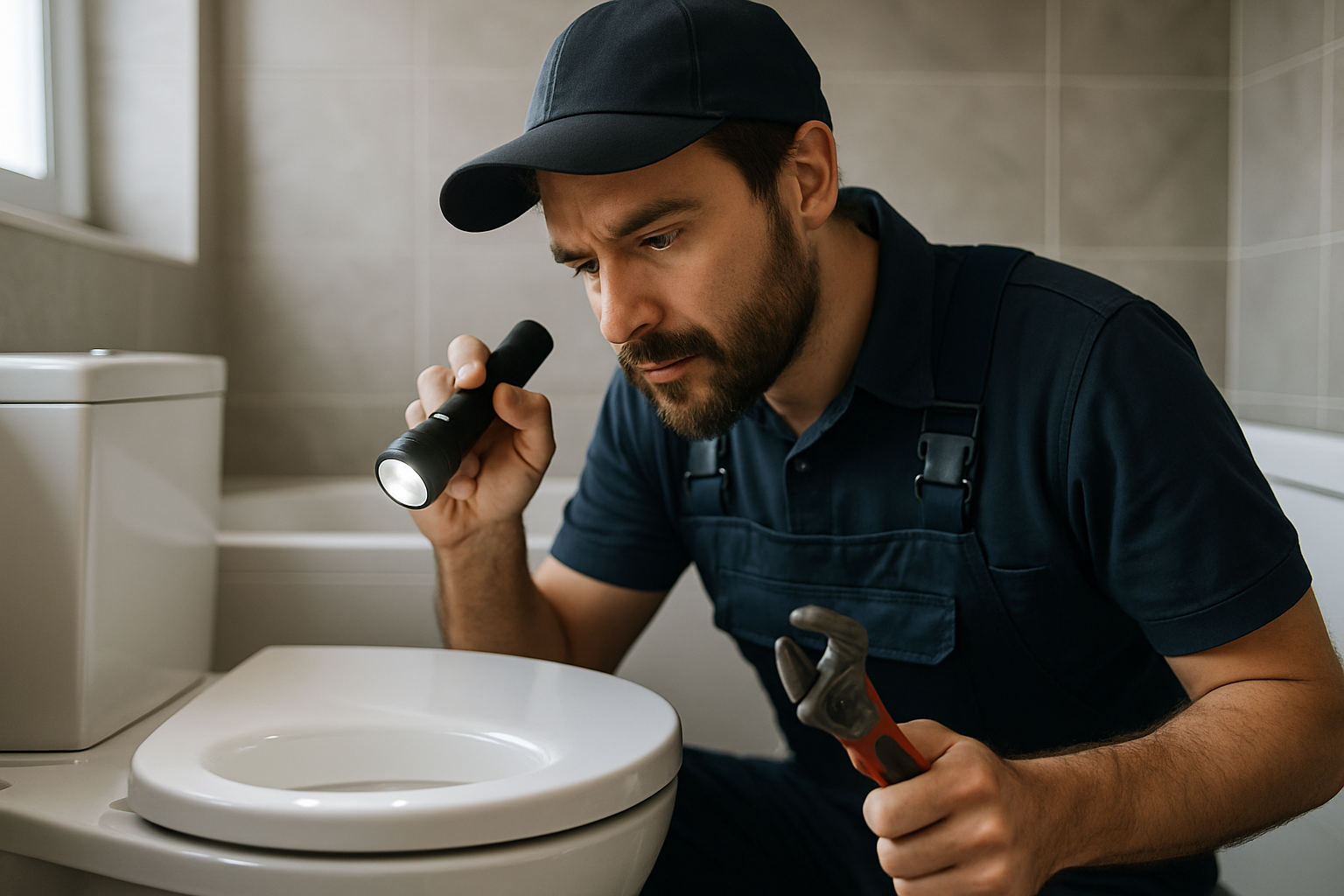
Bathroom Mold Remediation — We Improve For You
Troubleshooting Guide

Bathroom Mold Remediation Troubleshooting Guide — We Improve For You

Mold growth in your bathroom can be a frustrating and concerning issue, especially in the humid climate of Bristol, CT. As a vital space in your home, your bathroom should be a sanctuary, not a breeding ground for harmful mold. Mold not only affects the aesthetic appeal of your bathroom but can also pose serious health risks to you and your family. Understanding how to identify and address mold issues promptly is essential for maintaining a safe and healthy environment. At We Improve For You, we specialize in bathroom mold remediation, offering expert solutions to eliminate mold and prevent its return. This troubleshooting guide will provide you with valuable insights into identifying symptoms of mold presence, potential causes, and actionable steps you can take to address the problem. Whether you are dealing with a small patch of mold or a more extensive infestation, this guide aims to empower you with knowledge to tackle the issue effectively. With our expertise in Bristol, CT, we are committed to ensuring your bathroom remains a clean and inviting space.

By We Improve For You
8 min read
Expert-reviewed
Having an Emergency?
Don't wait — call us now for 24/7 emergency service in Bristol, CT.
(860) 718-4603
Symptoms & Causes

Identify the Problem

Match your symptoms to the most likely cause. Severity ratings help you decide how urgently to act.

Visible mold growth on walls or ceilingshigh
Likely cause: High humidity levels, Water leaks, Inadequate ventilation
DIY check: Clean the affected area with a mixture of water and vinegar, and improve ventilation.
Musty odor in the bathroommedium
Likely cause: Trapped moisture, Hidden mold behind fixtures, Poor drainage
DIY check: Identify and address any moisture sources, and use an air purifier to reduce odors.
Peeling or bubbling paintmedium
Likely cause: Moisture buildup, Inadequate surface preparation, Mold growth beneath the surface
DIY check: Scrape off affected paint, allow the area to dry, and repaint with mold-resistant paint.
Discoloration on grout linesmedium
Likely cause: Mold growth, Water seepage, Dirty grout
DIY check: Scrub the grout with a baking soda paste, and seal it once cleaned.
Condensation on mirrors or windowslow
Likely cause: High humidity, Poor ventilation, Temperature differences
DIY check: Increase ventilation by using exhaust fans or opening windows after showers.
Allergic reactions such as sneezing or coughinghigh
Likely cause: Mold spores in the air, Poor indoor air quality, Exposure to dampness
DIY check: Use an air purifier and ensure proper ventilation to reduce mold spores.
What to Do Next

Step-by-Step Action Plan

Follow these steps before calling a technician — you may be able to resolve the issue yourself.

1

Identify the Source of Moisture

Check for any leaks in pipes, faucets, or the shower area that may be contributing to excess moisture in your bathroom.

2

Inspect for Visible Mold

Look for any visible mold growth on walls, ceilings, and hidden areas like behind fixtures. A flashlight can help you inspect dark corners.

3

Assess Ventilation

Ensure your bathroom has adequate ventilation. Consider installing or using an exhaust fan to improve airflow and reduce humidity.

4

Clean Affected Areas

Treat small areas of mold by cleaning with mold-specific cleaners or a vinegar solution. Ensure to wear protective gear during this process.

5

Monitor Humidity Levels

Use a hygrometer to measure humidity levels in your bathroom. Aim to keep humidity below 50% to prevent mold growth.

Pro Tip
Always turn off power to the unit at the breaker before inspecting any components. Safety first — even for simple checks.
When to Call a Professional

Don't DIY These Situations

Some repairs require a licensed technician for safety, code compliance, and warranty protection.

Professional Assessment Required

Mold covers a large area exceeding 10 square feet, indicating a more serious infestation.

Professional Assessment Required

Mold is located in hidden areas such as behind walls or under flooring that require professional assessment.

Professional Assessment Required

Persistent mold growth despite DIY cleaning efforts, suggesting underlying issues.

Professional Assessment Required

Health issues related to mold exposure, such as respiratory problems or severe allergies.

Professional Assessment Required

Inability to identify or locate the source of moisture contributing to mold growth.

Common Questions
How do I know if I have a mold problem in my bathroom?
Common signs of a mold problem include visible mold growth, musty odors, and health symptoms like sneezing or coughing. If you notice peeling paint or discoloration, these could also indicate moisture issues leading to mold. Regular inspections are key in identifying a problem early. If you suspect hidden mold, it may be best to consult a professional.
What causes mold to grow in bathrooms?
Mold thrives in bathrooms primarily due to high humidity levels and poor ventilation. Showers and baths can create moisture, which, if not properly vented, can lead to condensation and mold growth. Leaks from plumbing fixtures can also contribute to excess moisture, creating an ideal environment for mold to flourish.
Can I remove mold myself?
While small patches of mold can often be cleaned using household products like vinegar or specialized cleaners, larger infestations or those in hidden areas should be handled by professionals. If mold covers more than 10 square feet, it’s advisable to consult a mold remediation specialist to ensure safe and thorough removal.
How can I prevent mold from returning?
To prevent mold recurrence, ensure your bathroom is well-ventilated by using exhaust fans and opening windows when possible. Keep humidity levels low, ideally below 50%, by using a dehumidifier if necessary. Regularly check for leaks and promptly repair any plumbing issues. Cleaning surfaces regularly and using mold-resistant products can also help.
Related Services

We Can Fix It For You

Our licensed team serves Bristol, CT and surrounding areas — same-day service available.

Problem Solved — Or Need a Pro?

Our licensed team serves Bristol, CT and surrounding areas. Get a free diagnosis — no obligation.