
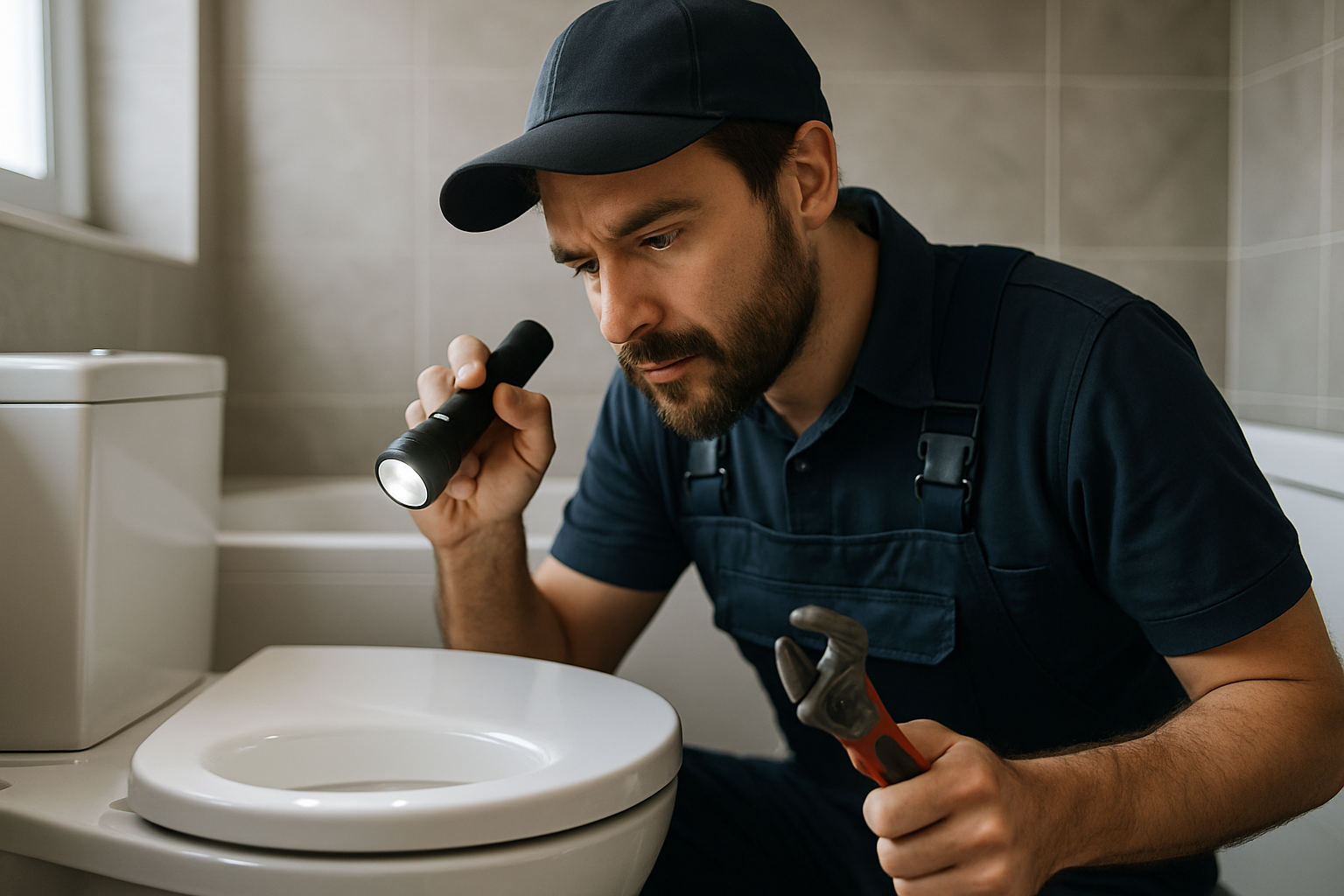
Bathroom Leak Detection — We Improve For You
Troubleshooting Guide

Bathroom Leak Detection Troubleshooting Guide — We Improve For You

Living in Bristol, CT, homeowners often face the challenge of bathroom leaks, which can lead to significant damage if left unchecked. The complexity of plumbing systems means that leaks can originate from various sources, making detection crucial for maintaining a safe and dry home. At We Improve For You, we specialize in bathroom leak detection, providing comprehensive troubleshooting to identify and resolve these issues before they escalate into costly repairs. Understanding the symptoms of a leak is the first step toward effective troubleshooting. From water stains on ceilings to unexplained increases in water bills, each sign can point to different underlying issues. Our guide will help you navigate the common symptoms, potential causes, and steps you can take to address leaks in your bathroom. Whether you’re a seasoned DIY enthusiast or a first-time homeowner, this resource is designed to empower you to tackle leak detection with confidence and clarity.

By We Improve For You
8 min read
Expert-reviewed
Having an Emergency?
Don't wait — call us now for 24/7 emergency service in Bristol, CT.
(860) 718-4603
Symptoms & Causes

Identify the Problem

Match your symptoms to the most likely cause. Severity ratings help you decide how urgently to act.

Water stains on walls or ceilingshigh
Likely cause: Leaking pipes behind walls, Damaged caulking around fixtures, Roof leaks above the bathroom
DIY check: Inspect the area for visible leaks and check the caulking around fixtures.
Mold or mildew growthmedium
Likely cause: Excess moisture due to leaks, Poor ventilation, Condensation issues
DIY check: Improve ventilation and clean affected areas with mold remover.
Unexplained increase in water billshigh
Likely cause: Undetected leaks in plumbing, Running toilets, Faulty irrigation systems
DIY check: Monitor water usage and check for running toilets.
Puddles of water on the bathroom floorhigh
Likely cause: Leaky toilet base, Damaged shower pan, Faulty sink drain
DIY check: Inspect fixtures and tighten connections to see if it resolves the issue.
Constantly running toiletmedium
Likely cause: Faulty flapper valve, Malfunctioning fill valve, Incorrect float height
DIY check: Check and replace the flapper valve or adjust the float height.
Damp or soft spots on the bathroom floorhigh
Likely cause: Leaking pipes underneath the floor, Water pooling from a shower, Failure of flooring materials
DIY check: Remove the flooring to inspect for leaks and assess damage.
What to Do Next

Step-by-Step Action Plan

Follow these steps before calling a technician — you may be able to resolve the issue yourself.

1

Inspect Visible Pipes

Start by checking all exposed pipes for signs of leaks such as moisture, corrosion, or water accumulation.

2

Check Water Fixtures

Inspect sinks, toilets, and tubs for leaks around their bases and connections.

3

Monitor Water Meter

Turn off all water sources in the house and check your water meter; if it continues to run, you likely have a leak.

4

Look for Stains and Mold

Examine walls and ceilings for water stains or mold growth, which can indicate hidden leaks.

5

Evaluate Caulking and Grout

Inspect the caulking around tubs and sinks for cracks or gaps, and consider re-caulking if necessary.

Pro Tip
Always turn off power to the unit at the breaker before inspecting any components. Safety first — even for simple checks.
When to Call a Professional

Don't DIY These Situations

Some repairs require a licensed technician for safety, code compliance, and warranty protection.

Professional Assessment Required

You've detected a leak behind walls that requires specialized equipment to locate.

Professional Assessment Required

The leak is causing structural damage or compromising the integrity of your flooring.

Professional Assessment Required

You have persistent mold or mildew issues that DIY cleaning cannot resolve.

Professional Assessment Required

You are unsure of the source of a leak after performing initial checks.

Professional Assessment Required

The plumbing system is complex, and you require expert knowledge to ensure proper repairs.

Common Questions
What are the signs of a bathroom leak?
Signs of a bathroom leak can include water stains on walls or ceilings, mold growth, damp spots on floors, and an increase in water bills. If you notice any of these symptoms, it’s essential to investigate further to prevent damage.
How can I detect a leak in my bathroom?
To detect a leak, start by inspecting visible pipes and fixtures for moisture. You can also monitor your water meter by ensuring all water sources are turned off for an hour and checking if the meter still moves. Additionally, look for stains or mold which can indicate hidden leaks.
Is it safe to fix a leak myself?
Minor leaks can often be fixed by homeowners, such as tightening connections or replacing washers. However, for more significant issues, especially those involving hidden leaks or plumbing systems, it’s best to call a professional to avoid causing further damage.
What causes leaks in bathrooms?
Leaks in bathrooms are commonly caused by deteriorating plumbing, worn-out seals around fixtures, or improper installation. Over time, these factors can lead to leaks that require immediate attention to prevent extensive damage.
Related Services

We Can Fix It For You

Our licensed team serves Bristol, CT and surrounding areas — same-day service available.

Problem Solved — Or Need a Pro?

Our licensed team serves Bristol, CT and surrounding areas. Get a free diagnosis — no obligation.