
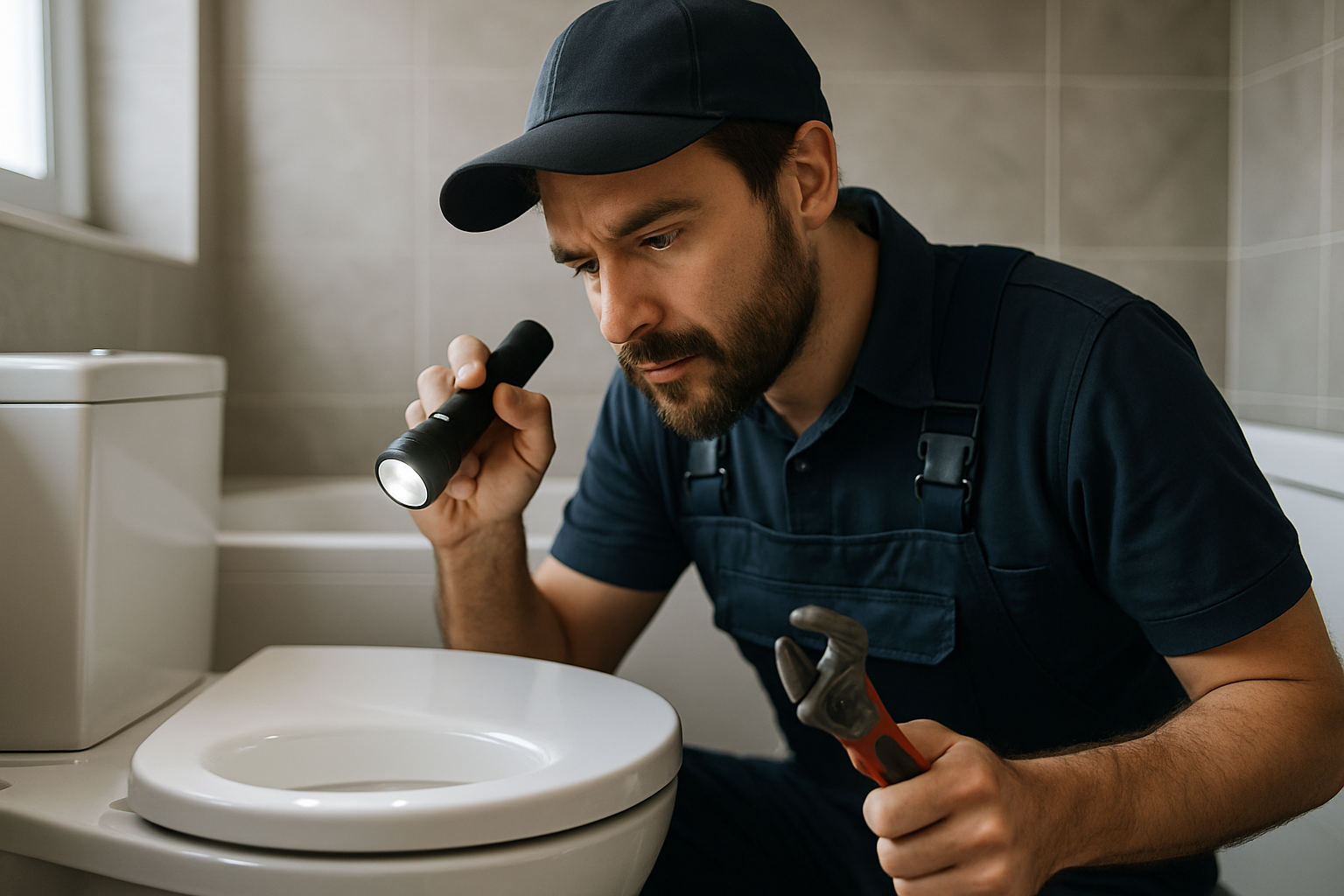
Bathroom Accessibility Modifications Troubleshooting Guide — We Improve For You
Navigating the challenges of bathroom accessibility modifications can significantly enhance the quality of life for individuals with mobility issues. At We Improve For You in Bristol, CT, we understand that a well-adapted bathroom is not just about aesthetics; it’s about safety, comfort, and independence. Whether you are considering modifications for yourself or a loved one, knowing how to troubleshoot common issues can help ensure that your bathroom remains functional and accessible. This guide provides insights into typical problems you may encounter, empowering you with the knowledge to address them effectively. Bathroom accessibility modifications can include a range of solutions such as grab bars, non-slip flooring, curbless showers, and raised toilets. While these features are designed to enhance safety and usability, they can sometimes lead to specific issues over time. Understanding these potential problems and their solutions is key to maintaining a safe bathroom environment. This troubleshooting guide will cover various symptoms, possible causes, and DIY fixes, ensuring that your bathroom remains a sanctuary of accessibility and comfort. Let’s explore the common problems associated with bathroom accessibility modifications and how to tackle them.
Identify the Problem
Match your symptoms to the most likely cause. Severity ratings help you decide how urgently to act.
Step-by-Step Action Plan
Follow these steps before calling a technician — you may be able to resolve the issue yourself.
Assess Grab Bars
Check each grab bar to ensure they are securely attached. Look for any signs of movement or loosening, which may require tightening or a complete replacement.
Inspect Non-Slip Flooring
Examine the flooring for any signs of damage or peeling. If you notice any issues, determine whether a simple re-adhesion or a full replacement is necessary.
Evaluate Curbless Shower Drain
Check the slope of your shower floor towards the drain to ensure proper water flow. If water is pooling, it may need to be adjusted.
Review Toilet Height
Measure the toilet height and compare it to standard accessibility recommendations. If it’s too low, consider a riser for ease of use.
Check Lighting Fixtures
Ensure that all lighting fixtures are functioning and provide adequate illumination for the space. Replace bulbs and adjust placement as needed.
Don't DIY These Situations
Some repairs require a licensed technician for safety, code compliance, and warranty protection.
If grab bars are pulling away from the wall, structural damage may require professional reinforcement.
Curbless shower leaks that persist despite DIY fixes may indicate deeper plumbing issues needing expert assessment.
Inadequate lighting that affects safety should be evaluated by a professional to ensure compliance with accessibility standards.
Toilet installation issues that require plumbing adjustments should be handled by a licensed contractor to avoid further complications.
Severe slipping incidents due to flooring issues may necessitate a professional evaluation and replacement to ensure safety.
What should I do if my grab bars are loose?
How can I maintain my non-slip flooring?
What are the signs that my curbless shower needs repairs?
Are there specific regulations for bathroom accessibility modifications?
We Can Fix It For You
Our licensed team serves Bristol, CT and surrounding areas — same-day service available.
Problem Solved — Or Need a Pro?
Our licensed team serves Bristol, CT and surrounding areas. Get a free diagnosis — no obligation.