
Bath Remodeling — We Improve For You
Troubleshooting Guide

Bath Remodeling Troubleshooting Guide — We Improve For You

Remodeling your bathroom can be an exciting yet daunting project, especially when problems arise. At We Improve For You in Bristol, CT, we understand that bath remodeling is not just about aesthetics but also functionality and comfort. This guide aims to help homeowners like you identify and troubleshoot common issues that can occur during a bath remodeling project. Whether you're dealing with leaks, poor layout, or outdated fixtures, our expert insights will empower you to resolve these problems effectively. Our experienced team has seen it all and wants to ensure you have the tools and knowledge to tackle any hiccup that may arise. With the right approach, many issues can be remedied without requiring extensive renovations or additional costs. We believe that by following our troubleshooting guide, you will not only save time and money but also enhance your overall remodeling experience. Dive in to discover how to troubleshoot and resolve your bath remodeling challenges right here in Bristol, CT.

By We Improve For You
8 min read
Expert-reviewed
Having an Emergency?
Don't wait — call us now for 24/7 emergency service in Bristol, CT.
(860) 718-4603
Symptoms & Causes

Identify the Problem

Match your symptoms to the most likely cause. Severity ratings help you decide how urgently to act.

Leaking faucet or showerheadhigh
Likely cause: Worn-out washers, Loose fittings, Corroded pipes
DIY check: Tighten fittings and replace washers to stop the leak.
Poor water pressuremedium
Likely cause: Clogged aerator, Pipe obstructions, Faulty pressure regulator
DIY check: Clean the aerator and check for any visible obstructions.
Cracked tilesmedium
Likely cause: Improper installation, Extreme temperature changes, Moisture damage
DIY check: Replace the cracked tiles using appropriate adhesive.
Mold or mildew growthhigh
Likely cause: Poor ventilation, Water leaks, Humidity issues
DIY check: Increase ventilation and clean mold with a vinegar solution.
Inefficient lightinglow
Likely cause: Inadequate fixtures, Wrong bulb wattage, Obstructed light sources
DIY check: Replace bulbs with higher wattage or add additional fixtures.
Inconsistent temperature controlmedium
Likely cause: Faulty thermostat, Insufficient insulation, Old fixtures
DIY check: Check the thermostat settings and update any outdated controls.
Drainage issueshigh
Likely cause: Clogged drain, Improper slope, Pipe damage
DIY check: Use a plunger or a drain snake to clear minor clogs.
Visible cracks in the walls or ceilinghigh
Likely cause: Foundation settling, Water damage, Poor installation
DIY check: Monitor the cracks and consult a professional if they worsen.
What to Do Next

Step-by-Step Action Plan

Follow these steps before calling a technician — you may be able to resolve the issue yourself.

1

Identify the Issue

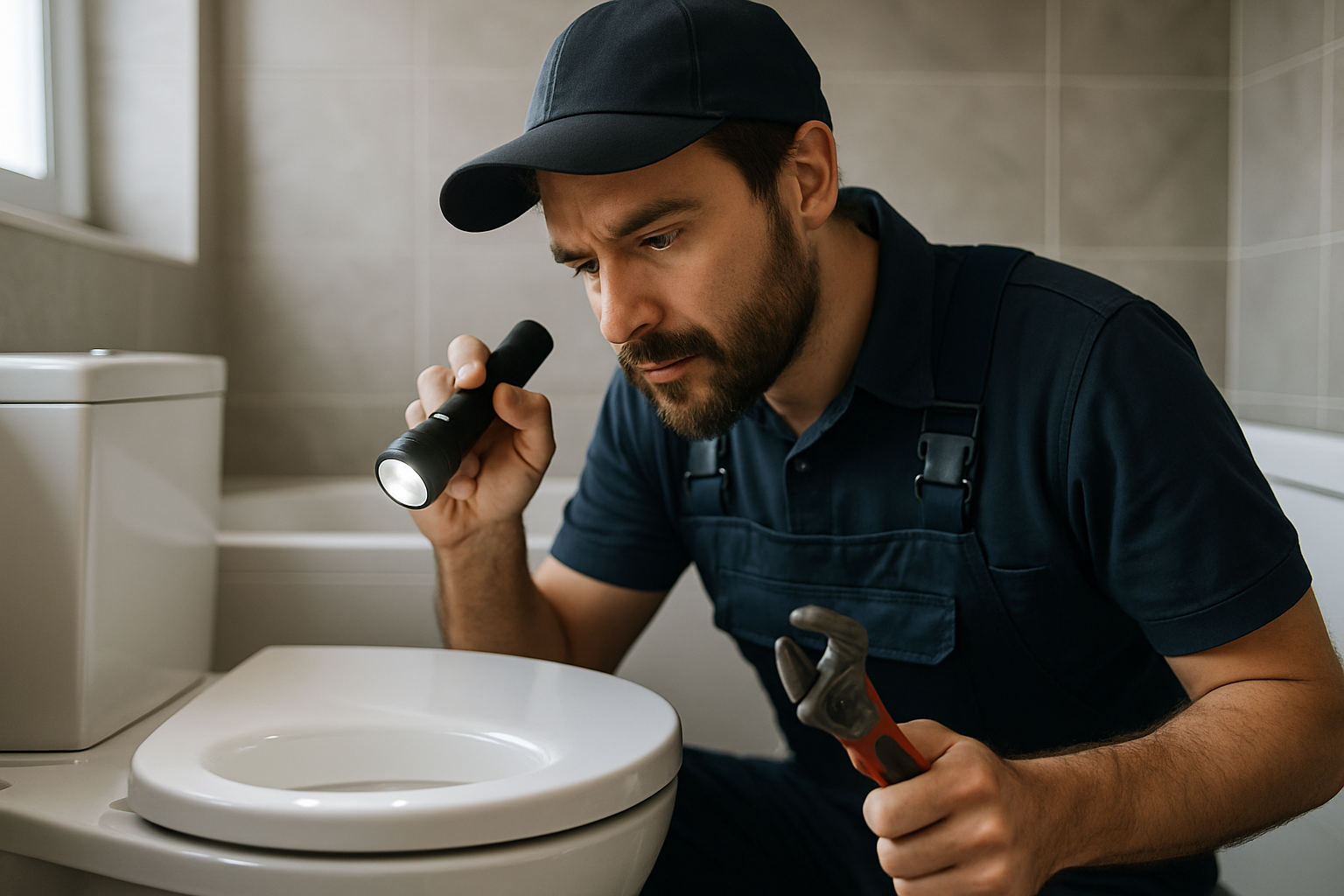
Take a close look at the symptoms you're experiencing. Document what you see, such as leaks, cracks, or poor performance. This will help you understand the scope of the problem.

2

Check for Obvious Causes

Inspect areas connected to the problem, such as faucets, tiles, and drains. Look for signs of wear or damage and see if there are simple fixes that can be made.

3

Attempt DIY Fixes

Based on the symptoms and possible causes, try the DIY fixes suggested in our guide. Always ensure you have the right tools and safety equipment before proceeding.

4

Assess the Severity

After attempting the fixes, evaluate whether the problem persists or worsens. If the issue remains unresolved, it may require professional intervention.

5

Contact We Improve For You

If you're unable to troubleshoot the problem effectively, don't hesitate to reach out to our skilled team at We Improve For You in Bristol, CT. We’re here to help!

Pro Tip
Always turn off power to the unit at the breaker before inspecting any components. Safety first — even for simple checks.
When to Call a Professional

Don't DIY These Situations

Some repairs require a licensed technician for safety, code compliance, and warranty protection.

Professional Assessment Required

Water damage is extensive and has affected structural elements.

Professional Assessment Required

You notice signs of mold that are beyond simple cleaning.

Professional Assessment Required

Electrical issues are present, especially related to lighting fixtures.

Professional Assessment Required

The layout requires major changes that involve plumbing or electrical work.

Professional Assessment Required

You are uncertain about building code compliance for your remodel.

Common Questions
What should I do if my newly installed showerhead is leaking?
If your newly installed showerhead is leaking, first check to ensure that it is properly tightened to the arm. Sometimes, a simple adjustment can resolve the issue. If tightening doesn’t work, you may need to replace the washer or O-ring inside the showerhead. If you’re not comfortable doing this yourself or if the leak persists, it’s best to call a professional from We Improve For You in Bristol, CT, to assess and fix the problem.
How can I tell if my bathroom has mold issues?
Signs of mold in your bathroom can include a musty smell, visible spots on walls or ceilings, and peeling or discoloration of paint or wallpaper. If you suspect mold growth, inspect areas with high moisture levels, such as around the shower, tub, or sink. For minor cases, you can clean it with a vinegar solution, but if the mold covers a large area or keeps returning, it’s crucial to contact a professional to address the underlying moisture problem.
What causes poor water pressure in my bathroom?
Poor water pressure in your bathroom can result from several factors, including clogged pipes, a malfunctioning pressure regulator, or issues with your plumbing system. Start by checking the aerators on your faucets and showerheads for any buildup or clogs. If cleaning them doesn’t help, it may be time to consult a professional to diagnose deeper plumbing issues that could be affecting your water pressure.
How do I prevent water from damaging my bathroom walls?
To prevent water damage in your bathroom, ensure that all fixtures are installed correctly and that there’s adequate waterproofing behind tiles and around the tub or shower. Additionally, use high-quality paints and materials that are designed for humid environments. Installing exhaust fans will help reduce moisture levels, and regularly checking for leaks can help catch problems early before they cause significant damage.
Related Services

We Can Fix It For You

Our licensed team serves Bristol, CT and surrounding areas — same-day service available.

Problem Solved — Or Need a Pro?

Our licensed team serves Bristol, CT and surrounding areas. Get a free diagnosis — no obligation.