
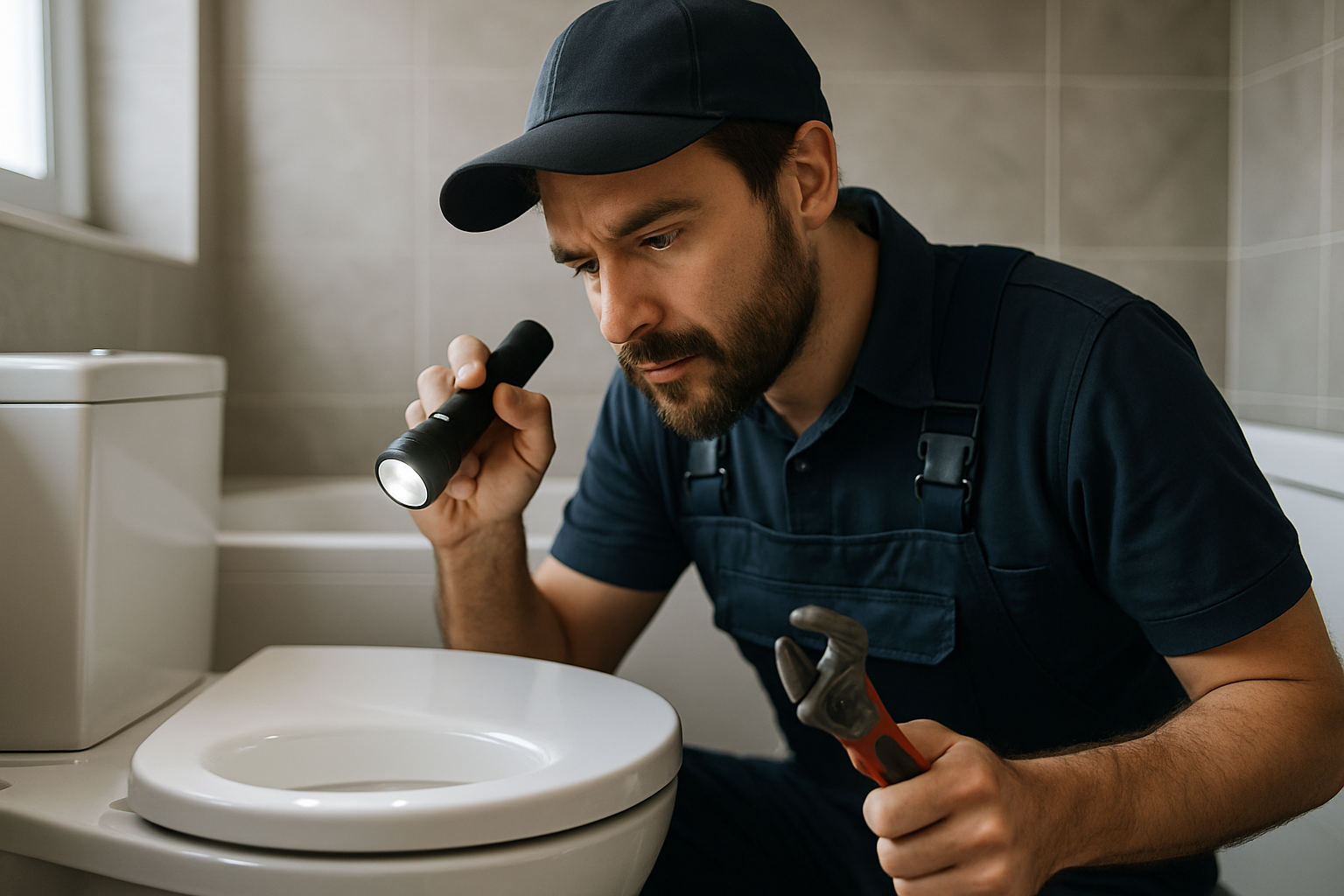
Faucet Installation and Repair Troubleshooting Guide — We Improve For You
When you encounter issues with your faucet, it can disrupt your daily routine and lead to frustration. At We Improve For You, located in Bristol, CT, we understand how critical a properly functioning faucet is for your bathroom. Whether it’s a leaky faucet, low water pressure, or a faucet that refuses to turn on, our troubleshooting guide is designed to help homeowners identify and resolve common problems. Our goal is to empower you with the knowledge needed to address these issues confidently while knowing when it's time to call in a professional. Faucet installation and repair is a specialized service that requires attention to detail and an understanding of plumbing systems. In Bristol, CT, homeowners often face unique challenges due to the local climate and varying plumbing standards. This guide will walk you through common symptoms, potential causes, and practical DIY fixes for faucet issues, ensuring that you can maintain your bathroom's functionality and aesthetics. With our expert insights, you'll be better equipped to handle faucet problems or decide when it's best to seek assistance from our skilled team at We Improve For You.
Identify the Problem
Match your symptoms to the most likely cause. Severity ratings help you decide how urgently to act.
Step-by-Step Action Plan
Follow these steps before calling a technician — you may be able to resolve the issue yourself.
Identify the Problem
Observe the symptoms of your faucet issue closely. Take note of any unusual sounds, leaks, or performance issues to help pinpoint the cause.
Turn Off Water Supply
Before attempting any repairs, ensure you turn off the water supply to your faucet to prevent any unwanted flooding.
Inspect for Visible Damage
Check for any obvious signs of wear or damage, such as cracks, rust, or loose fittings. This can help determine whether a simple fix is needed.
Clean or Replace Parts
If you suspect clogs or wear, clean the aerator, replace washers, or cartridges as necessary. Make sure to follow specific instructions for your faucet model.
Test the Faucet
Once repairs or replacements are made, turn the water supply back on and test the faucet to see if the issue has been resolved.
Call a Professional if Necessary
If the problem persists despite your efforts, it may be time to reach out to We Improve For You for expert assistance.
Don't DIY These Situations
Some repairs require a licensed technician for safety, code compliance, and warranty protection.
If you encounter persistent leaks that won't stop after DIY repairs, it's essential to consult a professional.
When faced with complex issues like low water pressure that may involve plumbing beyond the faucet, expert help is necessary.
If your faucet requires specialized parts or tools that you do not have access to, a professional can ensure proper installation.
For faucets that are integrated with other systems, such as a water filtration unit, calling an expert is crucial to avoid damaging the system.
What should I do if my faucet is leaking?
How can I improve low water pressure in my faucet?
Is it worth repairing an old faucet?
Why is my faucet making strange noises?
We Can Fix It For You
Our licensed team serves Bristol, CT and surrounding areas — same-day service available.
Problem Solved — Or Need a Pro?
Our licensed team serves Bristol, CT and surrounding areas. Get a free diagnosis — no obligation.