
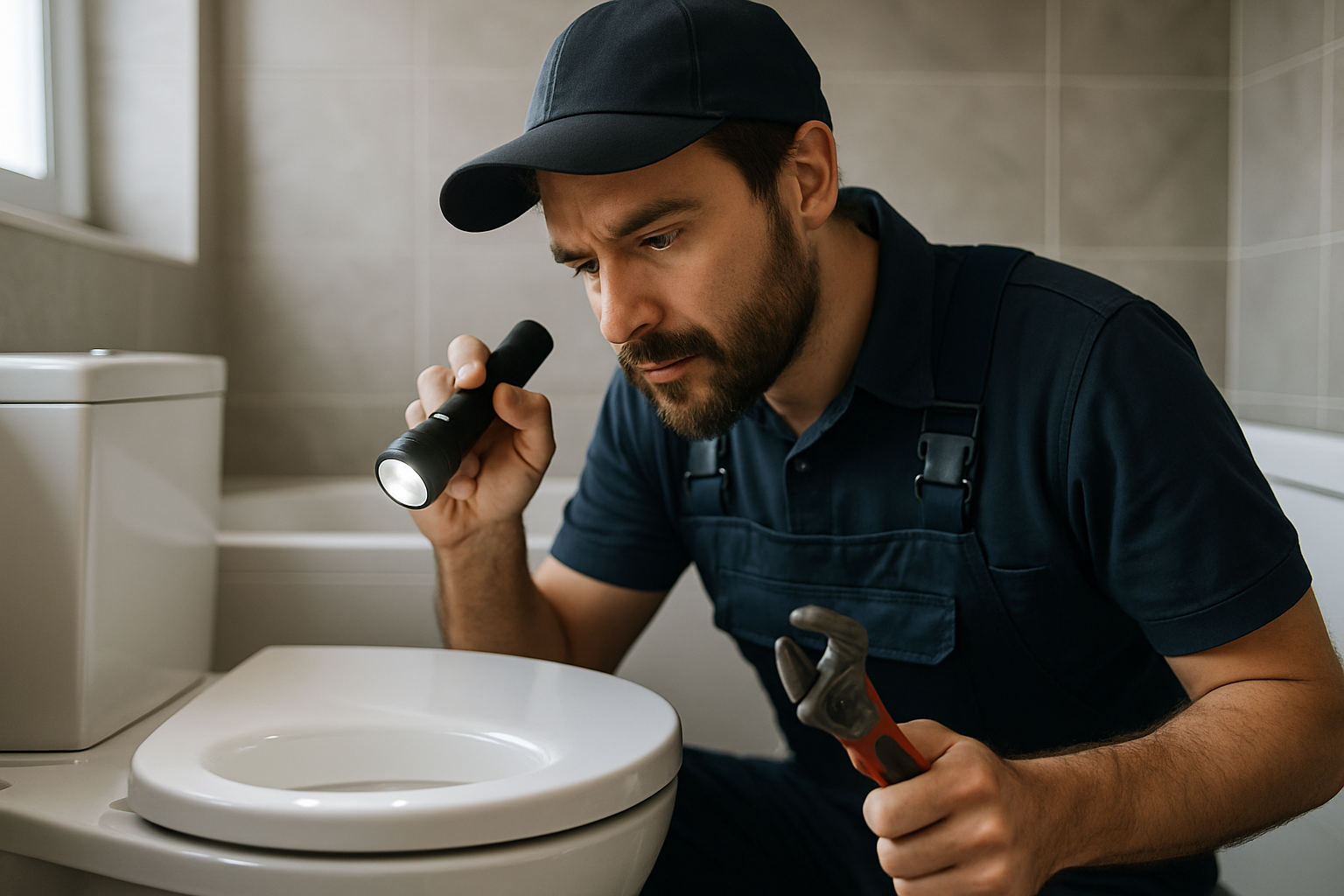
Bathroom Lighting Installation — We Improve For You
Troubleshooting Guide

Bathroom Lighting Installation Troubleshooting Guide — We Improve For You

At We Improve For You, we understand that bathroom lighting installation in Bristol, CT, can sometimes present unexpected challenges. Whether you're upgrading outdated fixtures or installing new lighting for the first time, various issues can arise that might leave you feeling frustrated. This troubleshooting guide is designed to help you identify and resolve common problems associated with bathroom lighting installations, ensuring your space is illuminated beautifully and functionally. Proper lighting in your bathroom not only enhances its aesthetics but also plays a critical role in safety and usability. If you're experiencing issues with your bathroom lighting, it’s essential to address them promptly. From flickering lights to improper wiring, we're here to help you troubleshoot effectively. This guide will provide you with insights into common symptoms, potential causes, and actionable steps to remedy the issues. However, some situations may still require professional intervention to ensure safety and compliance with local electrical codes.

By We Improve For You
8 min read
Expert-reviewed
Having an Emergency?
Don't wait — call us now for 24/7 emergency service in Bristol, CT.
(860) 718-4603
Symptoms & Causes

Identify the Problem

Match your symptoms to the most likely cause. Severity ratings help you decide how urgently to act.

Lights flicker or dim unexpectedlymedium
Likely cause: Loose wiring connections, Incompatible light bulbs, Voltage fluctuations
DIY check: Check and tighten any loose connections, and try replacing the bulbs with compatible ones.
Light switch does not workhigh
Likely cause: Faulty switch, Tripped circuit breaker, Wiring issues
DIY check: Inspect the breaker panel for tripped breakers and replace the switch if it's defective.
Buzzing or humming noise from fixturesmedium
Likely cause: Incompatible dimmer switch, Loose connections, Faulty fixture
DIY check: Replace the dimmer switch with one compatible with your bulbs, and check wiring for tight connections.
Bathroom lights won’t turn onhigh
Likely cause: Burnt-out light bulbs, Power supply issues, Faulty wiring
DIY check: Replace the light bulbs and check the circuit breaker for any issues.
Moisture buildup on light fixturesmedium
Likely cause: Insufficient ventilation, Use of non-rated fixtures, Humidity issues
DIY check: Ensure proper ventilation is installed and replace fixtures with moisture-rated options.
Lights turn on and off randomlyhigh
Likely cause: Faulty light switch, Wiring issues, Power surges
DIY check: Check for loose wiring connections in the switch box and replace the switch if necessary.
Inconsistent light output from LEDsmedium
Likely cause: Wrong dimmer switch, Voltage issues, Outdated wiring
DIY check: Try a compatible LED dimmer switch and ensure your wiring is up to code.
What to Do Next

Step-by-Step Action Plan

Follow these steps before calling a technician — you may be able to resolve the issue yourself.

1

Identify the Issue

Begin by observing the symptoms of your lighting problem. Take note of when the issue occurs, such as flickering during use or when the switch is flipped.

2

Check Your Circuit Breaker

Inspect your circuit breaker for any tripped switches. Reset them if necessary and see if that resolves the issue with your bathroom lighting.

3

Examine the Light Fixtures

Look closely at the fixtures for any visible damage. Check the bulbs to ensure they are securely in place and functioning correctly.

4

Inspect the Switch

Test the light switch to see if it is functioning properly. If it feels loose or does not click, it may need replacement.

5

Assess Wiring Connections

Ensure all wiring connections are secure and not damaged. This may require safely removing the fixture or switch cover.

6

Consider Environmental Factors

Evaluate the bathroom's humidity and ventilation. Ensure moisture-rated fixtures are used to prevent long-term damage.

Pro Tip
Always turn off power to the unit at the breaker before inspecting any components. Safety first — even for simple checks.
When to Call a Professional

Don't DIY These Situations

Some repairs require a licensed technician for safety, code compliance, and warranty protection.

Professional Assessment Required

If you're experiencing electrical issues beyond bulb replacement, such as persistent flickering or non-functioning lights.

Professional Assessment Required

When there is visible damage to wiring or fixtures that could pose a safety hazard.

Professional Assessment Required

If you need to install fixtures in locations with high moisture, requiring specific moisture-rated installations.

Professional Assessment Required

When local building codes necessitate professional installation for safety and compliance.

Professional Assessment Required

If troubleshooting steps do not resolve the issue, and expert evaluation is needed to identify underlying problems.

Common Questions
What type of light fixtures are safe for bathroom use?
For bathroom lighting, it's crucial to use fixtures that are specifically rated for wet or damp locations. Look for products labeled for bathroom use, especially in areas near sinks or showers. Fixtures that are sealed and have a moisture rating will help prevent any electrical hazards. Additionally, consider using LED bulbs, which are energy-efficient and have a long lifespan, reducing the need for frequent replacements.
Can I install bathroom lighting myself?
While some homeowners may feel comfortable with DIY bathroom lighting installation, it's essential to consider your skill level and the complexity of the project. If you're simply replacing an existing fixture, it may be manageable. However, if new wiring is required or if the installation involves multiple fixtures, it's best to hire a professional. In Bristol, CT, local regulations may also dictate certain requirements for electrical work that must be adhered to.
How can I improve the lighting in my small bathroom?
Improving lighting in a small bathroom can be achieved through strategic fixture placement and choosing the right types of lights. Consider wall-mounted sconces for task lighting near mirrors, as they provide focused illumination without taking up space. Additionally, using lighter-colored bulbs can enhance the brightness of the space. Mirrors can also be used strategically to reflect light and make the bathroom appear larger. Consulting with We Improve For You can help you find the best solutions tailored to your bathroom's specific needs.
What should I do if my bathroom lights flicker?
Flickering lights can be a sign of several underlying issues. First, check if the bulbs are securely fitted and working correctly. If the issue persists, inspect the light switch and wiring for any loose connections. It's also possible that the issue stems from the circuit breaker. If troubleshooting these components does not resolve the flickering, it may be time to contact a professional electrician to investigate further, as persistent flickering can indicate more severe electrical concerns.
Related Services

We Can Fix It For You

Our licensed team serves Bristol, CT and surrounding areas — same-day service available.

Problem Solved — Or Need a Pro?

Our licensed team serves Bristol, CT and surrounding areas. Get a free diagnosis — no obligation.