
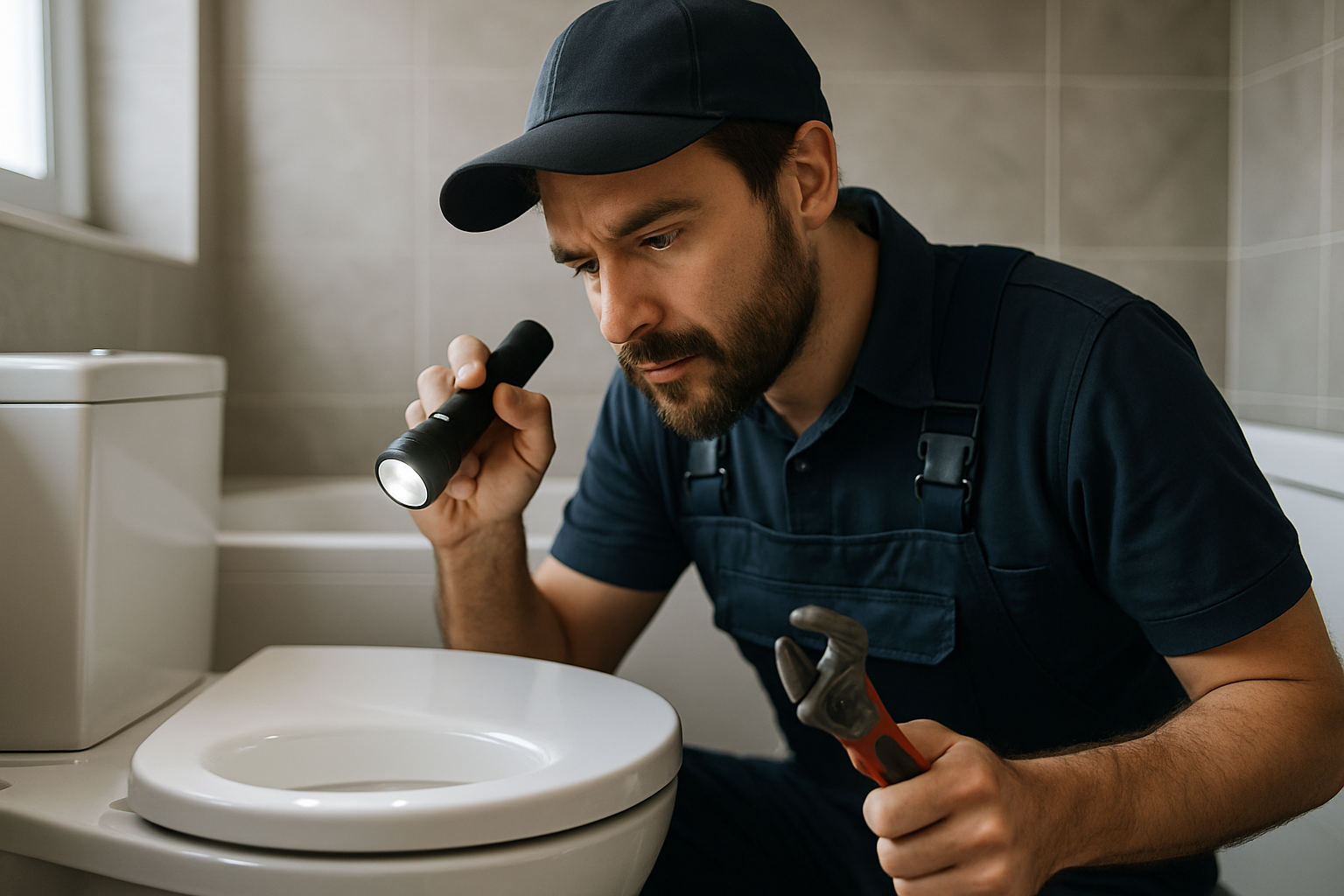
Bathroom Flooring — We Improve For You
Troubleshooting Guide

Bathroom Flooring Troubleshooting Guide — We Improve For You

Bathroom flooring is essential not just for aesthetics but also for functionality and safety. Homeowners in Bristol, CT, often face a myriad of issues related to their bathroom flooring, ranging from minor wear and tear to significant damage that can compromise the integrity of the entire bathroom. Whether you're dealing with cracked tiles, water damage, or uneven surfaces, understanding how to troubleshoot these problems can save you time and money. This guide provides valuable insights into common flooring issues, their causes, and practical solutions that you can implement. At We Improve For You, we are dedicated to helping Bristol residents maintain and enhance their bathroom spaces. Our expertise in bathroom flooring enables us to offer tailored advice for troubleshooting common issues. With our guidance, you can identify problems early on and take corrective actions before they escalate into costly repairs. From choosing the right materials to understanding maintenance practices, we aim to empower you to make informed decisions about your bathroom flooring.

By We Improve For You
8 min read
Expert-reviewed
Having an Emergency?
Don't wait — call us now for 24/7 emergency service in Bristol, CT.
(860) 718-4603
Symptoms & Causes

Identify the Problem

Match your symptoms to the most likely cause. Severity ratings help you decide how urgently to act.

Cracked tilesmedium
Likely cause: Heavy objects dropped on the floor, Improper installation, Temperature fluctuations
DIY check: Replace the cracked tiles by carefully removing them and applying new adhesive.
Peeling vinyl flooringmedium
Likely cause: Moisture trapped underneath, Old adhesive failing, Improper installation
DIY check: Remove the affected area and reapply adhesive, ensuring the surface is dry.
Uneven flooringhigh
Likely cause: Foundation settling, Improper subfloor preparation, Water damage
DIY check: Check for underlying issues; if severe, consult a professional for assessment.
Mold growth on flooringhigh
Likely cause: Excess moisture, Poor ventilation, Leaking pipes
DIY check: Clean with a mold remover and ensure proper ventilation to prevent recurrence.
Discoloration of tiles or vinyllow
Likely cause: Chemical damage, Water stains, Age
DIY check: Use a mild cleaner and a soft brush to restore the appearance.
Loose tilesmedium
Likely cause: Aging adhesive, Moisture exposure, Impact damage
DIY check: Re-glue loose tiles using appropriate adhesive and apply pressure until set.
What to Do Next

Step-by-Step Action Plan

Follow these steps before calling a technician — you may be able to resolve the issue yourself.

1

Identify the Problem

Begin by observing the flooring for visible signs of damage such as cracks, peeling, or discoloration.

2

Check for Moisture Sources

Inspect areas around sinks, tubs, and toilets for leaks or moisture buildup that may be affecting the flooring.

3

Assess the Subfloor

If you suspect uneven flooring, check the subfloor for signs of damage or sagging that may require professional intervention.

4

Repair Minor Issues

For minor issues like loose tiles, carefully remove and replace them or reapply adhesive as needed.

5

Clean Regularly

Ensure that your flooring is regularly cleaned to prevent buildup that can lead to more significant problems.

6

Consult a Professional for Severe Issues

If problems persist or you encounter severe issues, do not hesitate to reach out to We Improve For You for expert assistance.

Pro Tip
Always turn off power to the unit at the breaker before inspecting any components. Safety first — even for simple checks.
When to Call a Professional

Don't DIY These Situations

Some repairs require a licensed technician for safety, code compliance, and warranty protection.

Professional Assessment Required

If you notice extensive water damage beneath the flooring that could affect the structure of your bathroom.

Professional Assessment Required

When dealing with uneven flooring that may indicate foundation issues requiring professional evaluation.

Professional Assessment Required

If mold growth is present, as it can pose health risks and may require specialized removal techniques.

Professional Assessment Required

When the flooring material is significantly worn or damaged beyond simple repairs, necessitating a full replacement.

Professional Assessment Required

If you're unsure about the cause of the problem after performing initial troubleshooting steps.

Common Questions
What should I do if my bathroom tiles are cracking?
Cracked tiles can occur due to a variety of reasons, including heavy impacts or improper installation. First, assess the extent of the damage. If it's localized, you may only need to replace the cracked tiles. Make sure to use a compatible adhesive and follow proper installation techniques. If multiple tiles are cracking or if the floor feels uneven, there may be underlying issues with the subfloor that need professional evaluation.
How can I prevent mold from growing on my bathroom floor?
Preventing mold growth starts with controlling moisture levels. Ensure your bathroom is well-ventilated, especially during and after showers. Regularly clean your flooring with mold-inhibiting solutions and check for leaks that could lead to moisture accumulation. If mold does appear, it's essential to address it promptly with appropriate cleaning methods or consider professional remediation for extensive growth.
Is it necessary to replace my bathroom flooring if I have minor scratches?
Minor scratches on your bathroom flooring, particularly vinyl or laminate, may not require replacement. Often, you can buff out small scratches or use a touch-up kit designed for your specific flooring material. However, if the scratches are deep and affecting the integrity of the flooring, replacement might be necessary. Consulting with a professional can help you determine the best course of action.
What steps should I take if my flooring feels uneven?
If your bathroom flooring feels uneven, it's crucial to investigate the cause. Check for signs of water damage or a compromised subfloor, as these can lead to safety hazards. Minor unevenness may be addressed with leveling compounds, but significant issues often require professional assessment to avoid further damage and ensure proper repair.
Related Services

We Can Fix It For You

Our licensed team serves Bristol, CT and surrounding areas — same-day service available.

Problem Solved — Or Need a Pro?

Our licensed team serves Bristol, CT and surrounding areas. Get a free diagnosis — no obligation.