
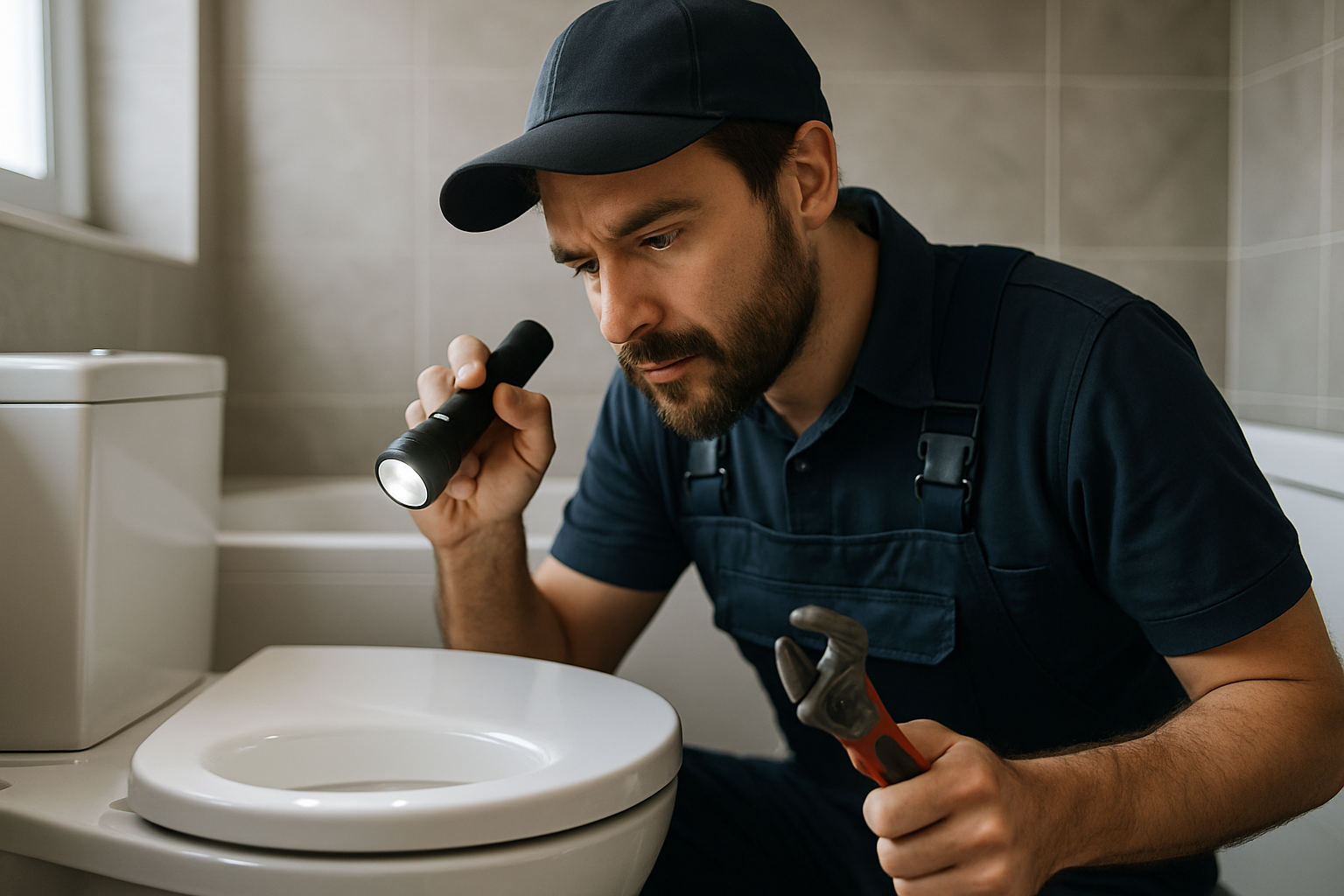
Acrylic Shower Installation Troubleshooting Guide — We Improve For You
Acrylic showers offer a sleek, modern look while providing durability and ease of maintenance, making them a favored choice for homeowners in Bristol, CT. However, like any installation, they can present unique challenges. Whether you are experiencing leaks, cracks, or poor adhesion, understanding the common issues associated with acrylic shower installations can help you troubleshoot effectively. At We Improve For You, our extensive experience in bathroom remodeling ensures that we can guide you through these potential hiccups to restore your shower's functionality. In this troubleshooting guide, we will cover various symptoms that may arise after your acrylic shower installation, their possible causes, and how you can address them. The goal is to empower homeowners with the knowledge needed to handle minor issues independently while knowing when to call in the experts. This way, you can maintain the beauty and functionality of your acrylic shower for years to come.
Identify the Problem
Match your symptoms to the most likely cause. Severity ratings help you decide how urgently to act.
Step-by-Step Action Plan
Follow these steps before calling a technician — you may be able to resolve the issue yourself.
Inspect for Visible Damage
Look for any visible cracks, separations, or discoloration on the acrylic surface.
Check Drainage
Ensure that water is draining properly. If you notice pooling, investigate the drain for clogs.
Examine Seams for Mold
Check the seams of the shower for any signs of mold. Clean these areas regularly to prevent growth.
Test Adhesive Integrity
Gently push on the panels to see if they are secure. If they move, you may need to reapply adhesive.
Assess Ventilation
Ensure your bathroom is well-ventilated to prevent moisture buildup and associated issues.
Don't DIY These Situations
Some repairs require a licensed technician for safety, code compliance, and warranty protection.
If cracks are extensive and compromise the shower's integrity, professional repair or replacement is necessary.
Persistent foul odors despite cleaning may indicate plumbing issues that require expert assessment.
If you notice significant gaps or misalignment between panels, a professional can ensure proper installation.
For severe mold infestations that are not resolved with cleaning, professional remediation may be needed.
If the shower base is improperly sloped, a contractor must correct the installation to prevent water damage.
How do I know if my acrylic shower needs repairs?
Can I fix small cracks in my acrylic shower myself?
What cleaning products should I avoid for my acrylic shower?
How can I prevent mold from growing in my acrylic shower?
We Can Fix It For You
Our licensed team serves Bristol, CT and surrounding areas — same-day service available.
Problem Solved — Or Need a Pro?
Our licensed team serves Bristol, CT and surrounding areas. Get a free diagnosis — no obligation.